Games & warm-ups
Bean Bag Games for PE
This list is for PE specialists and classroom teachers who run bean bag toss games for kids in Grades K–5, with a few options for Grades…
A starter PE equipment list for a class of 24 to 30 students needs one manipulative per student so nobody waits in line. Prioritize 30 non-slip poly spots, 30 vinyl cones, 30 beanbags, 30 coated-foam balls, 30 jump ropes, and 32 mesh pinnies in 4 colors before ordering single-sport gear. Copy the printable inventory checklist below to count current bins and flag missing items.
You inherited a half-empty gym closet, or you have one annual supply order to stretch across Grades K–12. Elementary specialists, secondary PE teachers, and classroom teachers can use the inventory sheet below to audit existing bins, calculate order quantities, find low-cost swaps, and run safety checks before each unit.
Listing your yearly skill units before you order lets each purchase serve several units instead of sitting in the closet. Physical education equipment falls into four working categories: boundary and organization markers, individual manipulatives for throwing and striking, locomotor and fitness gear, and shared court or group equipment.
SHAPE America's 2024 National Physical Education Standards (four standards, S1–S4: motor skills, movement and fitness concepts, social skills, and personal skills) name skills rather than sports, so items that serve many skills belong at the top of your cart. When you map elementary PE lesson plans for Grades K–5, one bin of beanbags or foam balls covers overhand throwing, target accuracy, fitness relays, and partner cooperation.
As a rule of thumb on a starter or rebuild budget, put roughly 60 percent into multipurpose manipulatives (balls, beanbags, ropes, hoops), about 25 percent into cones, spots, and pinnies, and about 15 percent into pumps, storage bags, and replacement parts. Inside the PhysEdPrep app for iOS and Android, every lesson includes an equipment checklist and a gym floor setup plan on your phone or tablet so you can cross-check gear before ordering.
A class of 24 to 30 students needs a 1:1 ratio of core manipulatives (up to 30 pieces per item), plus daily teacher tools like a whistle, a loud timer, a first-aid kit, and a ball pump. SHAPE America recommends moderate to vigorous physical activity (MVPA) for 50 percent of PE class time, and one item per student keeps waiting lines short. Soft 6-inch coated-foam balls suit target games and tag games where nobody is eliminated. SHAPE America considers traditional elimination dodgeball, where players are hit out, inappropriate for K–12 PE.
Copy or print this starter table onto a clipboard as an elementary PE equipment list or K–12 gym audit, replacing the sample counts with your own bin totals. Once the 4-inch beanbags arrive, put them to work with these bean bag games for PE.
| Item and Size | Category | Target (30 Students) | On Hand (Sample) | Order Priority | Storage Location |
|---|---|---|---|---|---|
| 9-inch non-slip poly spots | Boundaries | 30 | 18 | High (buy 12) | Shelf A1 |
| 9-inch flexible vinyl cones | Boundaries | 30 | 30 | Stocked | Shelf A2 |
| Mesh pinnies in 4 colors | Teams | 32 (8 per color) | 24 | Medium (buy 8) | Bin B1 |
| 4-inch square beanbags | Manipulatives | 30 | 12 | High (buy 18) | Bin B2 |
| 6-inch coated-foam balls | Manipulatives | 30 | 20 | High (buy 10) | Cart C1 |
| 8.5-inch playground balls | Manipulatives | 15 (1 per pair) | 15 | Stocked | Cart C2 |
| Segmented jump ropes (7–9 ft) | Locomotor and Fitness | 30 | 22 | Medium (buy 8) | Wall Rack D |
| Hula hoops (24–36 in) | Manipulatives | 24 | 10 | Medium (buy 14) | Wall Hook E |
| Whistle, timer, ball pump | Teacher Kit | 2 sets | 1 set | High (buy 1) | Office Shelf |
Sport-specific equipment such as basketballs, soccer balls, volleyballs, paddles, racquets, and portable nets belongs in your second purchasing wave after the basics for fundamental skills are stocked. Start with 12 to 15 balls per sport for partner passing and small-sided 3v3 games rather than buying 30 full-size balls at once.
Match ball weights and grip sizes to the grade band you teach:
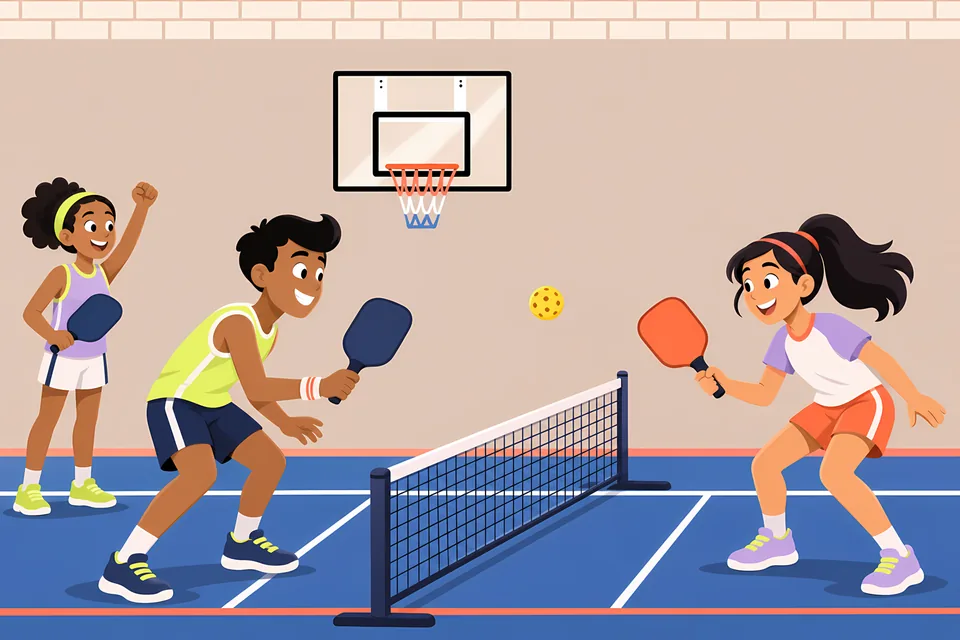
Multi-height portable nets stretch court budgets further. Per USA Pickleball's official court dimensions, a pickleball court measures 20 feet wide by 44 feet long with a 7-foot non-volley zone on each side and a net at 36 inches at the sidelines and 34 inches at the center. USA Pickleball describes the game as played on a badminton-sized court with a slightly lower net, so a portable net that adjusts from pickleball height up to badminton height can serve pickleball, badminton, and modified volleyball. Later purchase waves can add a 24-foot parachute, 15 scooter boards with hand guards, and folding 4-by-8-foot tumbling mats.
Hardware-store supplies, racquet-club donations, and zero-gear warm-ups stretch a small supply budget across the school year. Everyday items can cover the same throwing, catching, striking, and spacing skills for little or no cost.
When another class shares the closet, run PE warm-ups with little or no equipment so students stay active. Fund bigger gear like portable nets through PTA mini-grants and grants for PE equipment instead of draining your consumable fund.
Color-coded pickup corners and photo-labeled bins keep a class of 24 to 30 students from bunching up at the closet door. Aim for about 2 minutes to grab or return gear, and set up the four corners before first period so back-to-back classes start on time.
Inspecting stored or inherited gym gear before each unit catches the cracked plastic, peeled foam, and frayed ropes behind pinched fingers, slips, and impact injuries. Run a quick check whenever you pull a bin out of storage: test scooter boards for wobbly casters or cracked decks, pull splintered paddles and frayed jump ropes, and discard coated-foam balls that are torn or shedding foam.
Pair safe equipment with clear gym floor rules under direct teacher supervision. Require students to ride scooter boards seated, with hands inside the side guards, on a dry, swept floor. Keep soft-ball throws below the shoulders. Lay folding 4-by-8-foot tumbling mats flat with the hook-and-loop connectors fastened, well away from walls and bleachers, before gymnastics or combatives and safe wrestling games.
| Mistake | Why It Happens | Practical Fix |
|---|---|---|
| Ordering 6 varsity balls instead of 30 core balls | Catalog bundles highlight team packs | Stock 30 coated-foam balls first for 1:1 touches |
| Laying dusty poly spots on an unmopped floor | Floor dust ruins the underside grip | Wipe spot bottoms with a damp towel before tag or agility work |
| Allowing students to stand on scooter boards | Riding rules are skipped before relays | Enforce seated riding with hands inside the side guards |
| Buying one jump-rope length for all grades | Bulk packs default to a single size | Split your 30-rope order across 7-foot, 8-foot, and 9-foot ropes |
Replace gear when your pre-unit check fails it, not on a fixed date. Pull cracked plastic, torn foam, frayed ropes, and balls that will not hold air. Coated-foam balls, pinnies, and jump ropes wear out first, especially outdoors on asphalt, so budget replacements for those before cones, hoops, and mats.
Yes, keeping instructional PE equipment separate from recess bins protects your 1:1 class ratios and keeps damaged balls out of lessons. Store recess balls and jump ropes in marked rolling carts near the exit doors so full 30-item indoor sets of foam balls, beanbags, and poly spots stay intact.
Quiet, low-rebound gear such as 4-inch beanbags, nylon juggling scarves, non-slip poly spots, painter's tape, and 6-inch foam dice works best indoors because it stays low and quiet. Packing 30 beanbags, 30 scarves, and 30 poly spots into one rolling crate lets a traveling teacher run target and balance activities once the desks are pushed back and the floor is clear.
Add audible, high-contrast, and slow-moving gear alongside standard bins so students with visual, motor, or sensory differences play in the same activities. Stock a few bell or beeping balls, bright yellow high-contrast foam balls, oversize slow-flight beach balls, and flat tactile boundary strips, and check each student's IEP or 504 plan for specific needs before you order.
This list is for PE specialists and classroom teachers who run bean bag toss games for kids in Grades K–5, with a few options for Grades…

Wrestling-style games teach balance, reaction time and respect for a partner's space, and they need tighter rules than tag.
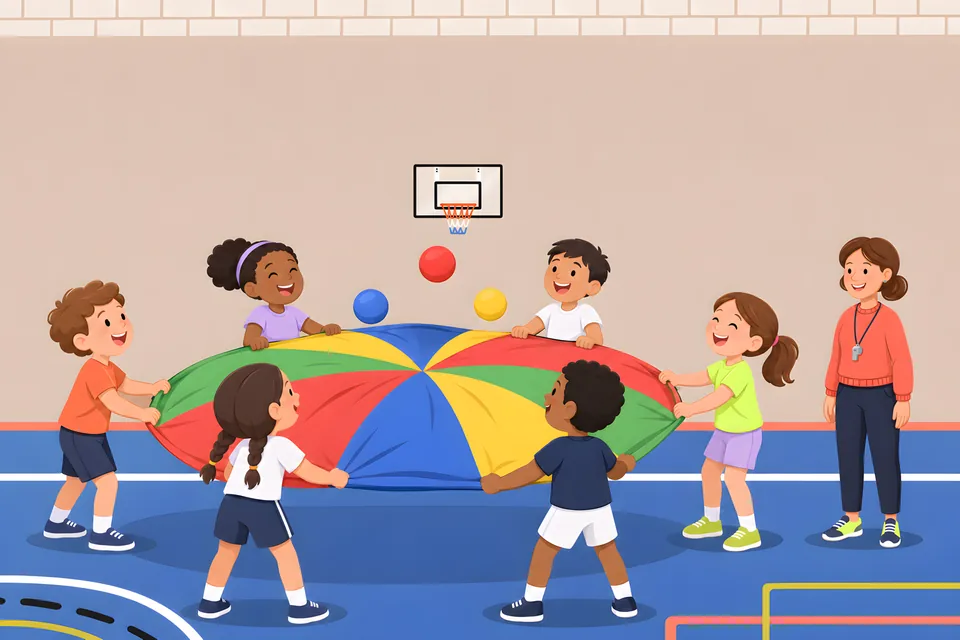
Worn-out balls, half a set of pinnies, one net for four classes: when the school budget does not stretch that far, these are the sources…
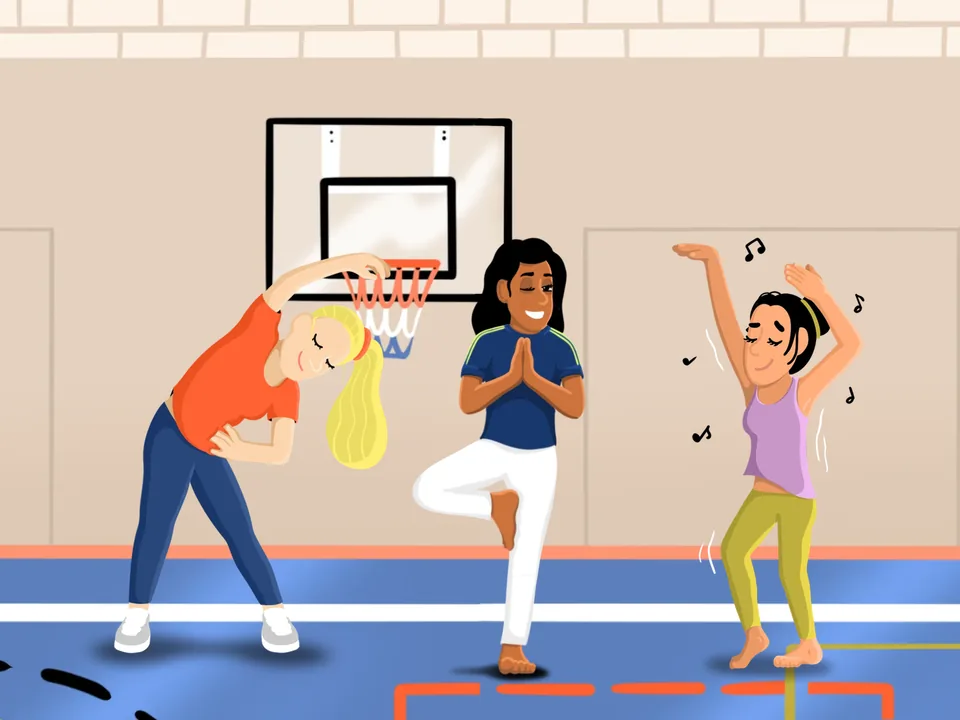
Students who start moving within a minute of walking in lose less class time to roll call and equipment setup.
Download the free PhysEdPrep app for iOS and Android to try 3 free units with no account needed. For full K–12 access, start the 7-day free trial on a yearly or 12-month plan (see current prices in the app), or email support@physedprep.com for a custom School & District License quote with purchase orders accepted.
App for iPhone, iPad and Android.