Games & warm-ups
Christmas PE Games for Winter Break
The weeks before winter break mean shortened classes, assemblies and students with energy to spare.
Pick from 10 winter PE games for Grades K–8, each about 6 to 10 minutes of play, built on common gym equipment such as yarn balls, bean bags, paper plates, poly spots or scooter boards. Three are snowball games, three are ice rink games, two are tag games where nobody is eliminated, and two are Olympic-style stations. Sliding games need a clean, dry floor.
January and February bring cold days and no holiday theme to lean on. These games are built for classes of 12 to 32 students in a standard gym, need no real snow and use equipment most PE closets already hold. The rules cover scoring, drops and restarts, and a six-station layout handles big classes in Grades 3–5.
Most of these games fit Grades K–8 and classes of 12 to 32 students, and the table shows the exact fit for each one. Children and teens ages 6–17 should get 60 minutes or more of moderate-to-vigorous activity a day, according to the Physical Activity Guidelines for Americans. SHAPE America recommends moderate-to-vigorous activity for 50 percent of PE class time, as cited in its dodgeball position statement. That is why most games below use small teams and short rounds.
| Game | Grades | Students | Play time | Equipment |
|---|---|---|---|---|
| Snowball Clean-Up | K–8 | 16–32 | 6 min | yarn balls, rope |
| Snowball Catch Ladder | 2–8 | 12–32, in pairs | 8 min | yarn balls |
| Igloo Toss | K–5 | 12–30 | 8 min | bean bags, hoops |
| Floor Curling | 3–8 | 12–30 | 10 min | poly spots or foam pucks, hoops, tape |
| Paper Plate Skating Relay | K–5 | 12–30 | 8 min | paper plates, cones |
| Penguin Waddle Relay | K–2 | 12–30 | 6 min | foam balls, cones |
| Frozen Snowflake Tag | K–8 | 16–32 | 6 min | pinnies, cones |
| Polar Bears and Penguins | K–5 | 16–32 | 8 min | pinnies, cones |
| Husky Sled Relay | 2–8 | 16–32 | 10 min | scooter boards, yarn balls, hoops, buckets, cones |
| Ski Jump Challenge | 3–8 | 12–30 | 10 min | floor tape, cones |
Looking for holiday themes? See Christmas PE games for winter break. When the gym is booked, winter brain breaks work in the classroom.

Snowball games work best with yarn balls, soft foam balls or bean bags thrown at ropes, hoops or partners, never at people. That keeps them clear of the elimination dodgeball that SHAPE America's position statement calls inappropriate for K–12 PE.
Grades K–8, 16–32 students, about 6 minutes of play, yarn balls and a rope.
Two teams face each other across a rope strung between cones, with yarn balls spread on both sides. On “Go,” everyone throws balls over the rope onto the other side's floor, never at people. After 60 seconds the teacher calls “Freeze,” and each team counts the balls on its side. The team with fewer balls on its side scores 1 point, a tie scores nothing, and balls resting on the rope count for nobody. Play three rounds and split the balls evenly between the teams before each one.
Grades 2–8, 12–32 students in pairs, about 8 minutes of play, yarn balls.
Partners face each other at a short gap and toss a yarn ball underhand. After three catches in a row, both take one big step back. After a drop, both step forward, never closer than the start line. When the whistle ends a 3-minute round, each pair counts its steps back from the start. The farthest pair scores 1 point, then partners switch and play again.
Grades K–5, 12–30 students, about 8 minutes of play, bean bags and hoops.
Place three hoops (igloos) at different distances behind a throwing line. The near hoop is worth 1 point, the middle one 2 and the far one 3. Teams of four take turns, each student tossing three bean bags underhand, and only bags that stay inside a hoop score. The round ends when every student has thrown, and the team with the most points wins it. Collect the bags on the teacher's signal, move one hoop and restart. More tossing ideas are in the bean bag games guide.
Ice rink games use sliding objects or gliding steps on a clean, dry gym floor, so test one slide on your floor before class.
Grades 3–8, 12–30 students, about 10 minutes of play, flat poly spots or foam pucks, hula hoops and tape.
Two teams of three share a lane with a hoop at the far end as the target. Teams alternate sliding stones underhand from behind a tape line, one stone per student. When all six have stopped, the team with the stone closest to the hoop center scores 1 point for each of its stones nearer than the other team's best. A stone that leaves the lane is removed. The first team to 5 points wins. Floors grip differently, so check how far a stone travels first.
Grades K–5, 12–30 students, about 8 minutes of play, sturdy paper plates and cones.
Teams of four line up behind a start cone. The first skater sets one sneaker on a plate, pushes off with the other foot, glides to the far cone and walks back carrying the plate to the next teammate. If both feet touch down or the plate flips, the skater restarts from that spot. After every skater has gone twice, the first team done scores 3 points, the second 2 and the third 1. Glide at walking pace only.
Grades K–2, 12–30 students, about 6 minutes of play, soft foam balls and cones.
Teams of four line up behind a cone. The first penguin holds a foam ball between the knees, waddles around the far cone and back, then hands the ball to the next student. If the ball drops, the penguin picks it up, sets it between the knees where it fell and keeps going. The round ends when the last student finishes, and the first team done scores 1 point. Play two rounds and add a cone slalom in the second.
In both tag games below, a tagged student freezes until another player thaws them or changes role, so nobody is eliminated for the rest of the round.
Grades K–8, 16–32 students, about 6 minutes of play, pinnies and cones for the boundary.
Two or three taggers wear pinnies and tag with one hand on a shoulder or back. A tagged player freezes with arms out like a snowflake, and any free player thaws them with a high five. At the whistle after 90 seconds, the taggers count the frozen players and new taggers take over. If many players are frozen early, call “Thaw!” and everyone starts again.
Grades K–5, 16–32 students, about 8 minutes of play, pinnies and cones for two end lines.
Penguins stand on one end line, the iceberg, while two polar bears in pinnies wait in the middle. On “Slide!” every penguin crosses to the opposite line and the bears tag with one hand. A tagged penguin puts on a pinnie and becomes a bear for the next crossing. The round ends when the last penguin is tagged or after five crossings, and the last penguins become the first bears next round. Younger students cross at a fast walk with clear space behind each line.
Never make push-ups or laps the price of getting back into a game. SHAPE America's position statement calls exercise as punishment inappropriate.
Six stations of four to six students each handle a class of 24 to 32, and two of them borrow Winter Olympics events: Husky Sled Relay (bobsled) and Ski Jump Challenge.
Grades 2–8, 16–32 students, about 10 minutes of play, scooter boards, yarn balls, hoops, buckets and cones.
Teams of four or five line up at a start cone, with a hoop of yarn snowballs at the far end. The first rider sits on a scooter board, pushes with both feet around the far cone, grabs one snowball, rides back and drops it in the team bucket. A rider who falls off re-sits where they fell. Riders stay seated, push only with their feet and keep their hands off the floor while carrying the snowball in their lap. The round ends when every rider has delivered a snowball, and the first team done scores 3 points, then 2, then 1.
Grades 3–8, 12–30 students, about 10 minutes of play, floor tape and cones.
Tape a start line and four landing zones, each farther out and worth 1 to 4 points. Each student takes three standing long jumps, taking off and landing on two feet. A jump scores its zone only if the student holds the landing for a count of two. Each student's best jump counts toward the team total. Students can pick a closer start line to match their level.
The layout below suits Grades 3–5, where all six games fit. Give each sliding station a clear run-out, keep waiting students behind a line, and rotate clockwise for one or two rounds per visit.
The Countdown Timer in the PhysEdPrep app ends each rotation with a whistle, and 5 minutes is one of its quick picks. The Team Creator builds the six groups. Both are part of the Gym Tools. For more layouts, see these station setups for PE class.
Most problems come from slippery floors, throws aimed at people and crowded lanes, and each has a quick fix.
| Mistake | Cause | Fix |
|---|---|---|
| Plates shoot out from under skaters | Dusty or wet floor, running instead of gliding | Sweep and dry the floor, test one slide, glide at walking pace and walk the plate back |
| A yarn ball hits a student in the face | Throws aimed at people or taken from too close | Aim only at ropes, hoops and partners at a set distance; stop, restate the rule and restart the round |
| Scooter boards collide | Lanes too close together, riders kneeling or standing | Riders stay seated and keep hands off the floor; space lanes apart and keep a clear run-out behind the far cone |
| Students walk into the curling lane | Retrieving stones while others still slide | Wait until all six stones have stopped, then collect on your signal |
| Frozen players wait too long | No release rule | Call “Thaw!” when many are frozen, or let any free player thaw with a high five |
| Long lines at a station | Teams too large for one set of equipment | Keep teams at four to six students and add a second lane or ball set |
Stand where you can see every lane, require tied sneakers at sliding and jumping stations, and keep Grades K–2 at a walk in tag games.
Use yarn balls, soft foam balls or bean bags. Yarn balls are light and soft, so they suit throwing over a rope or into a hoop. Aim them only at targets, ropes or partners at a set distance, never at people, and have students throw from behind a line so nobody walks into a ball's path.
Snowball Clean-Up, Frozen Snowflake Tag and Polar Bears and Penguins work outdoors on a dry, level field. Keep the sliding games and scooter boards indoors. Check the ground for ice, wet grass and frozen ruts before class, and follow your district's cold-weather rules for outdoor time.
Yes, under conditions: a clean, dry, smooth floor, sneakers on, walking pace and a teacher who can see every lane. Plates can slide too freely on waxed or dusty floors. If your floor is slick, skip the plates and use Floor Curling or the Penguin Waddle Relay instead.
Igloo Toss from a short distance and Frozen Snowflake Tag at a walk suit preschoolers when an adult stays close. For toddlers under 3, play only with large soft balls and big hoops, and leave out bean bags and other small items they could swallow.
Start with the games that already keep score. Floor Curling, Ski Jump Challenge and Snowball Catch Ladder suit Grades 6–8 as written, and a running team total over several class days turns them into a mini league. For a class tournament, the Tournament Planner builds round-robin schedules for 2 to 10 teams on up to 4 courts.
The weeks before winter break mean shortened classes, assemblies and students with energy to spare.
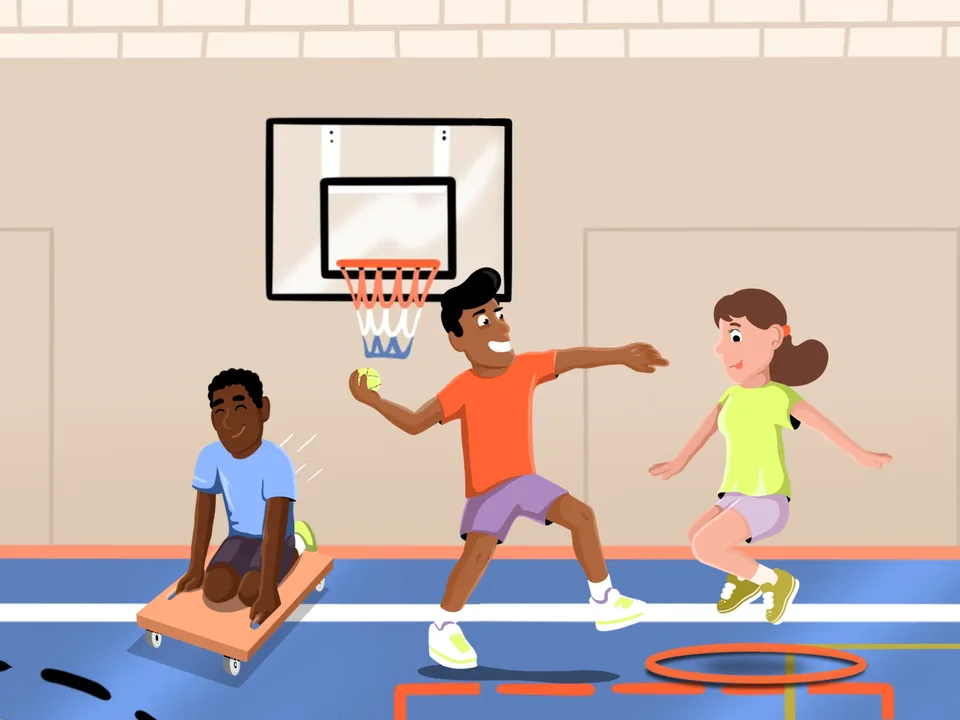
This list is for PE specialists and classroom teachers who run bean bag toss games for kids in Grades K–5, with a few options for Grades…
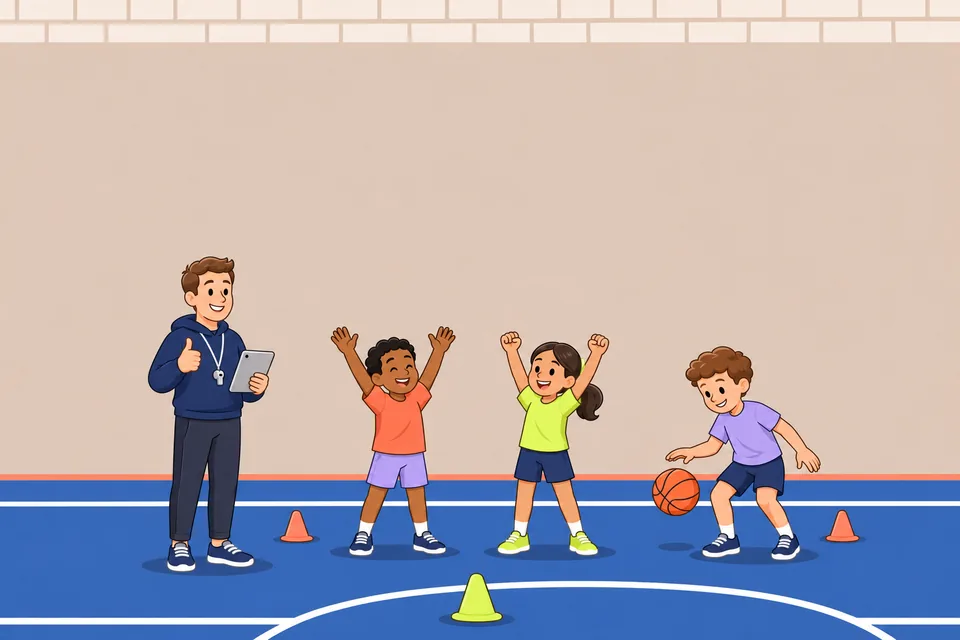
PE stations split a class into small groups that rotate through different tasks, so more students handle equipment and fewer stand in line.
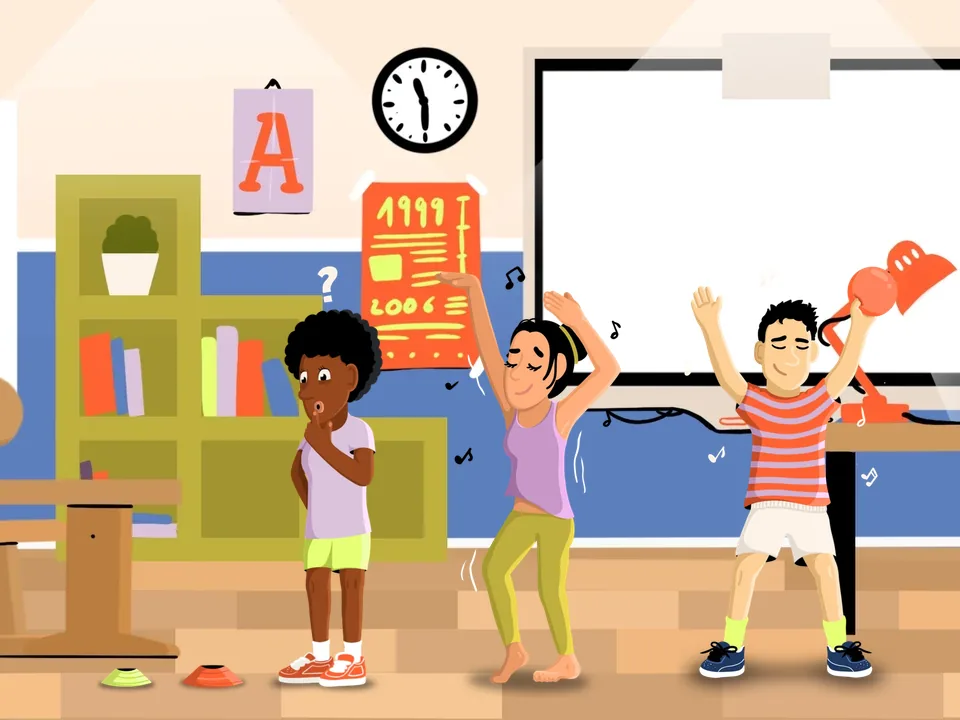
Short, structured winter brain breaks let you channel that restless energy right beside student desks without rearranging furniture.
Get the app for iOS & Android and open the 3 free units without an account. See current prices in the app.
App for iPhone, iPad and Android.