Adapted PE Teacher: Role and Path
Beyond the credential basics, the sections below cover the weekly duties, the IDEA rules behind the job, where positions are posted and…
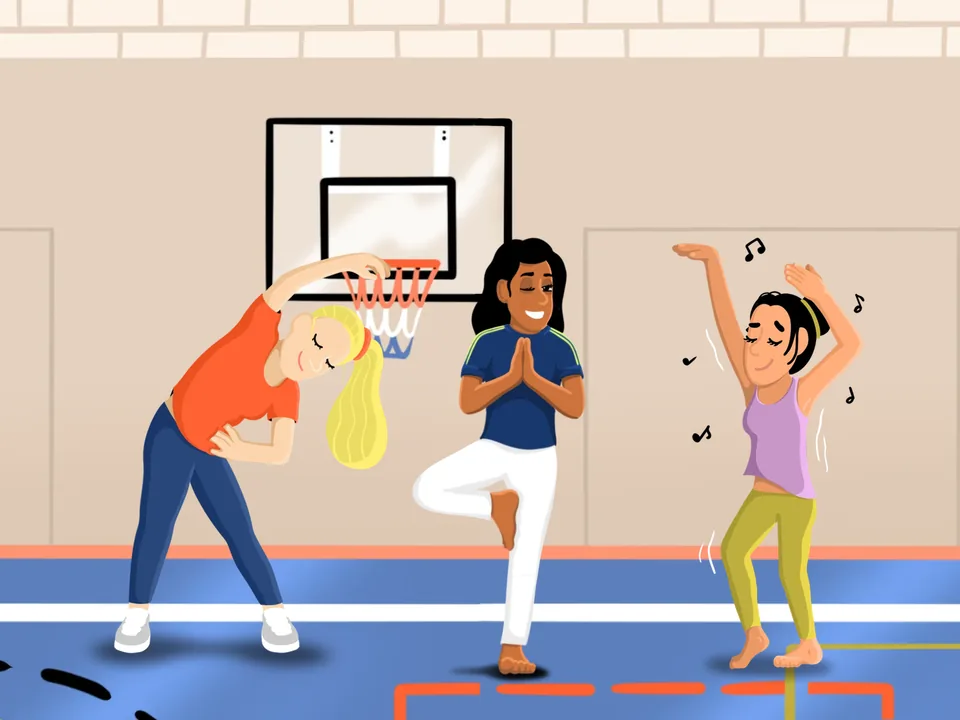
Wear closed-toe athletic shoes, a breathable top, and bottoms you can squat and lunge in, as long as your district's dress code allows athletic wear. For outdoor classes, add a wide-brim hat and one removable layer. Keep a polished outfit at school for observations and parent nights. Your staff handbook decides shorts length, logos, and leggings, so read it before you buy.
PE specialists, secondary PE teachers, classroom teachers who run gym class, and student teachers share one problem: a single outfit has to handle squats, sprints, sun, and a surprise visit from the principal. PE teacher clothes also have to match a dress code that varies by district. The article ends with a nine-piece wardrobe plan and a table of seven common mistakes.
PE teachers typically wear athletic shoes, a moisture-wicking tee or polo, and training pants or knee-length shorts, with the details set by the school or district dress code. Staff handbooks differ on shorts length, leggings, and graphic tees, so read yours before you shop and ask your principal about anything unclear.
| Situation | Top | Bottom | Shoes |
|---|---|---|---|
| Regular indoor class | Wicking tee or polo | Athletic pants or knee-length shorts | Cushioned, closed-toe athletic shoes |
| Sunny outdoor class | Light, loose top and a wide-brim hat | Lightweight pants or shorts | Athletic shoes with grip |
| Cold morning outside | Base layer plus zip jacket | Pants | Athletic shoes, warm socks |
| Observation or open house | Collared polo or clean performance top | Tailored athletic pants or slacks | Clean athletic shoes |
Classroom teachers who teach PE on some days can keep athletic shoes and a zip layer at school. The guide to elementary PE for classroom teachers covers the teaching side.
Cushioned, closed-toe athletic shoes with a stable heel hold up best, because a PE day means standing, jogging, and quick stops on a hard floor. Look for these features:
Two pairs help: a clean pair for the gym and a pair with more grip for wet grass and blacktop. A wet pair also gets a night to dry while you wear the other. Add moisture-wicking socks and keep a spare pair in your locker. Replace shoes when the cushioning feels flat, the tread is worn smooth, or your feet ache by last period. If foot pain keeps coming back, see a podiatrist.
Build outdoor outfits from a wicking base layer, one removable warm layer, and sun protection, because 7:30 a.m. duty and a noon field class can feel like two different climates. For lessons you move outside, see these outdoor PE games for days when the gym is closed.
The CDC's extreme heat guidance recommends loose, lightweight, light-colored clothing and sunscreen. When the UV Index is 3 or higher, the CDC's skin cancer prevention advice adds clothing that covers arms and legs, a wide-brim hat that shades face, head, ears, and neck, and wraparound sunglasses that block UVA and UVB rays. In the continental United States, UV rays are strongest from 10 a.m. to 4 p.m. daylight saving time, which overlaps many field classes. A plain ball cap shades less of your ears and neck. When you give directions, stand so students face away from the sun.
Keep what you need in zip pockets or a small waist pack: whistle, phone, keys, and a marker or roster. Dangling items snag on equipment and students, so check these:
If you run timers or teams from your phone, the pocket matters most. The 6 gym tools in the PhysEdPrep app run on iOS and Android. If you work in adapted PE and kneel beside students or give hands-on support, choose bottoms that allow kneeling and skip anything that dangles.
Dress one step above your daily outfit for an observation or open house, and wear full interview clothes to a job interview.
The 3-3-3 rule is a capsule-wardrobe method: three tops, three bottoms, and three pairs of shoes, mixed into outfits. Some versions use three layers instead of shoes, and no single source owns the definition.
For a PE wardrobe it works well, because everything has to mix and survive sweat. A workable set:
Three tops and three bottoms give 9 pairings, just under two school weeks (10 days) without repeating. The three pairs of shoes raise that to 27 combinations on paper. Pick one or two neutral colors plus your school color so every top works with every bottom, and wash after each wear when you sweat.
Seven clothing mistakes are easy to avoid with a quick check at home or a small purchase.
| Mistake | Cause | Fix |
|---|---|---|
| Dress shoes or flat sandals in class | They look professional | Wear cushioned athletic shoes; save dress shoes for events |
| Heavy cotton hoodie in a warm gym | Grabbed on a cold morning | Wicking base layer under a zip jacket you can remove |
| Ball cap as the only sun protection | It is the easiest hat to grab | Wide-brim hat, plus sunscreen and sunglasses |
| Loose whistle cord | Standard lanyard | Breakaway lanyard, or tuck the whistle during active games |
| Bottoms that fail the squat test | Never tried in motion | Squat, lunge, and reach overhead in front of a mirror before wearing |
| No spare outfit at school | Rain, mud, or a spill | Keep a spare top, socks, and shoes in a locker or bin |
| Buying before reading the dress code | Assuming athletic wear is always allowed | Read the handbook; ask your principal about gray areas |
A collared polo or school-branded tee, athletic pants or knee-length shorts, and clean cushioned athletic shoes work in many high schools. Many secondary teachers also coach, so keep a warm-up jacket and spirit wear handy. Check the handbook on shorts length and logos, and dress up one step for observations.
Classroom teachers in many schools wear business casual, such as slacks, a collared shirt or blouse, and a cardigan, but the dress code comes from the district or school and varies. PE teachers are a common exception, because athletic wear is normal for them. When the handbook is unclear, ask your principal.
PE teachers earn the most in districts and states where teachers earn the most overall, because pay follows a district salary schedule built on years of experience and degree level. Coaching stipends and added duties raise totals in many districts. Compare posted salary schedules and weigh them against local cost of living.
Yes, if the dress code allows it, and many schools do on spirit days or for school-branded tees. Slogans, logos, and images need to fit district policy. Plain or school-logo tees are the safest daily choice, so save humor shirts for days when the handbook clearly permits them.
Cuts and fits differ by brand, but the needs are the same: freedom to squat and reach, coverage, foot support, and weather protection. Test whatever you buy with a squat, a lunge, and an overhead reach. Dress codes may list length and coverage rules, so check those too.
A tee or polo, track pants or shorts, sneakers, and a cap work well, with a clipboard as a prop. For young children, skip cords, lanyards, and small parts that could be swallowed, and choose clothing loose enough to run and jump in.
Beyond the credential basics, the sections below cover the weekly duties, the IDEA rules behind the job, where positions are posted and…
This is written for student teachers, career changers and working PE teachers comparing districts.
These 10 interview questions for a PE teacher pair typical gym scenarios with common mistakes and day-of prep.
Download the PhysEdPrep app for iOS & Android and try the 3 free units without an account. See current prices in the app.
App for iPhone, iPad and Android.