Adapted PE Equipment Worth Buying First
This list is for PE teachers and adapted PE staff who teach mixed classes on a limited budget.
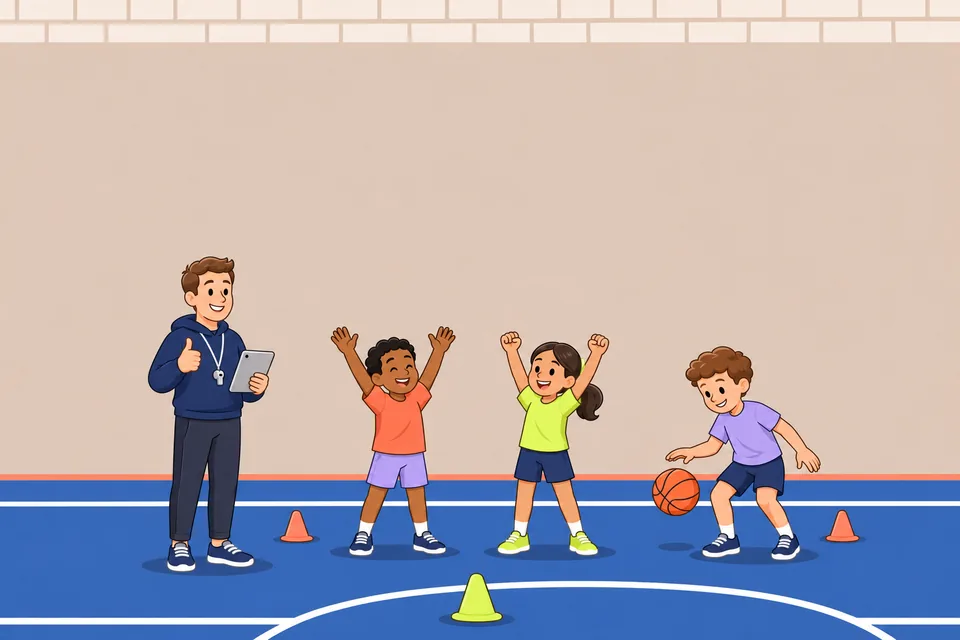
Split a school PE equipment room into 3 zones based on how often you use the gear. Park ball carts by the door, put current-unit bins and hooks on the middle walls, and keep mats and off-season totes at the back. Add photo labels and squad managers, and a practiced class of about 25 to 30 students can aim to return gear in about 2 minutes.
Elementary specialists and secondary PE teachers lose active minutes when back-to-back classes crowd a narrow closet doorway or share a multipurpose gym with lunch tables. Compare rough capacities for racks and carts, borrow the room map and cleanup steps, and check how to handle heavy mats and high shelves.
Start your PE equipment storage plan by counting full class sets, tossing cracked cones or split foam balls, and measuring your closet doorway before ordering racks. Single closet doors often give only about 32 to 36 inches of width, so measure the clear opening and compare it with the widest point of the cart, casters included. Check your gear against a K–12 PE equipment list and checklist, and review grants for PE equipment if steel racks or carts exceed your supply budget. Until a grant comes through, milk-crate bins and PVC frames from these DIY PE equipment ideas on a budget can fill the gaps. Capacities below are rough planning figures, so check each product's spec sheet.
| Setup | Gear and Grades | Rough Capacity | Core Hardware |
|---|---|---|---|
| 1. Wire Rack and Open Bins | Beanbags, spots, cones (Grades K–12) | 6 to 8 bins per unit | 48-by-18-inch wire rack, wall anchors |
| 2. Wall Track Hooks | Jump ropes, pinnies (Grades K–12) | 30 to 40 ropes; 30 pinnies | Capped 8-inch hooks at about 48 inches high |
| 3. Vertical Barrel Caddy | Sticks, paddles, noodles (Grades 3–12) | 24 to 30 long items | 32-gallon wheeled bin or PVC frame |
| 4. Hoop Cradle or Bracket | Hoops in 24-, 30-, 36-inch sizes (Grades K–5) | 24 to 36 hula hoops | Steel floor cradle or wall bracket |
| 5. Post Scooter Stacker | Gym scooter boards (Grades K–8) | 12 to 16 scooter boards | Wheeled dolly with center post and strap |
| 6. Locking Steel Ball Cart | Inflated gym balls (Grades K–12) | 24 to 30 inflated balls | 26-inch-wide welded cart, swivel casters |
| 7. Outdoor Wagon Cart | Field bags and cones (Grades K–12) | 4 to 6 mesh bags; 24 cones | Steel wagon with 8-inch rubber tires |
| 8. Color Mesh Bags | Foam balls, squad pinnies (Grades K–12) | 6 to 10 balls or 12 pinnies per bag | 6 nylon mesh bags on carabiners |
| 9. Folding-Mat Dolly | Folded tumbling mats (Grades K–12) | About 3 to 5 folded mats, waist-high at most | Low steel dolly, 4-inch locking casters |
| 10. Adapted Gear Tote | Sensory, adapted gear (Grades K–12) | 8 to 12 adapted items | Clear tote on a 30-to-36-inch shelf |
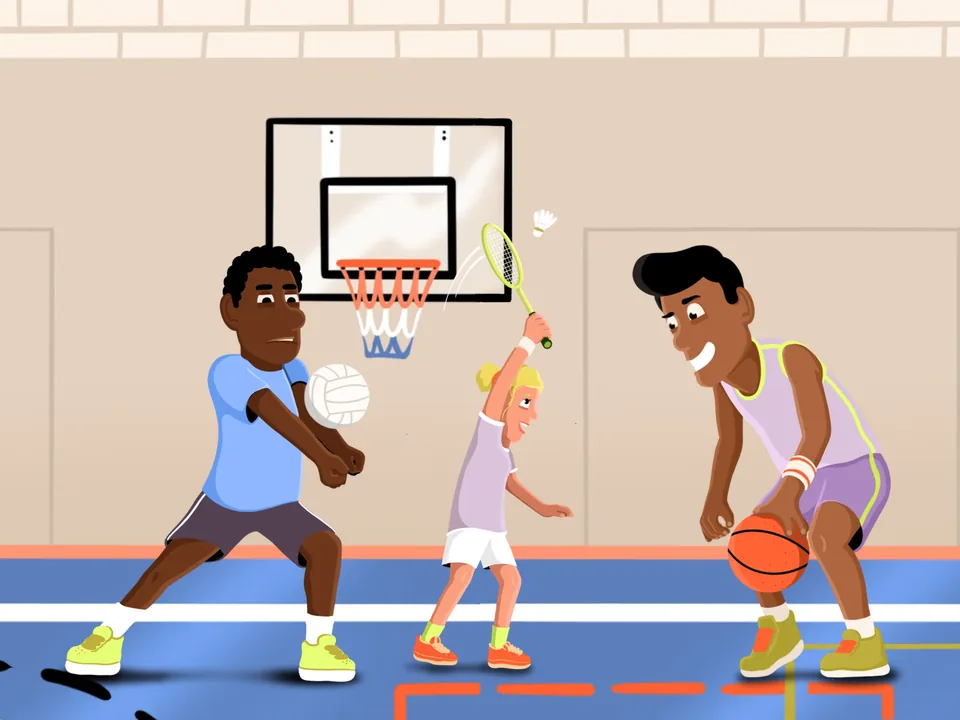
Steel wire racks, wall hooks, and upright caddies help keep the walkways in your equipment room clear.
A 48-by-18-inch wire rack holds about 6 to 8 bins of beanbags, poly spots, and cones. Have maintenance anchor it to wall studs, or with masonry anchors on block walls. Grit falls through the wire shelves, and students can reach into open-front bins without pulling them off the rack.
Hang about 30 to 40 jump ropes and 30 pinnies on 8-inch steel hooks mounted about 48 inches high. Protruding hooks can catch faces and clothing, so use capped ends, keep them out of walkways and play space, and adjust the height to your students. Color-code rope handles by length so students pick the right one and hang it back in the same spot.
Hockey sticks, paddles, and noodles stand upright in a 32-gallon wheeled bin or PVC frame, about 24 to 30 items per caddy. Turn blades and heads down so you can count handles at a glance, and park the caddy in a corner where nobody bumps it over.
A steel floor cradle or wall bracket near the door takes about 24 to 36 hula hoops. Give the 24-, 30-, and 36-inch sizes their own slots so your elementary classes find theirs without digging.
A wheeled dolly with a center post and strap carries about 12 to 16 scooter boards. Stack them caster-side down and strap the pile before it moves. In class, have students ride seated on clear floor under supervision and rack loose boards right away so nobody steps on one.
A narrow cart or a few mesh bags can take a class set to the court or field in one trip, which leaves more of the period for movement. SHAPE America recommends moderate-to-vigorous activity for 50 percent of PE class time, a figure it cites in its 2017 position statement on dodgeball.
A welded cart about 26 inches wide on swivel casters rolls roughly 24 to 30 inflated balls through most single doors. Padlock the lid if after-school groups share your gym.
Outdoors, a steel wagon with 8-inch rubber tires fits about 4 to 6 mesh bags and 24 cones. Its larger tires handle thresholds, rough asphalt, and damp grass better than small casters.
Six nylon mesh bags in six squad colors, clipped on carabiners, each hold about 6 to 10 balls or 12 pinnies. Damp balls can air out in the mesh, and each squad manager carries one bag to a station.
Stack folded mats flat on a low steel dolly with 4-inch locking casters. Stop at about waist height, often 3 to 5 mats depending on thickness, and stay within the dolly's weight rating. Lock the wheels before unloading. Older students can lift in pairs while you watch; with young classes, adults move the mats.
A clear tote on a 30-to-36-inch shelf just inside the doorway keeps about 8 to 12 adapted items, such as bell balls or larger, softer balls, easy to see and reach. Pick them around your students' needs. The guide to adapted PE equipment worth buying first helps you decide which items earn a spot in the tote.
Divide your equipment room into three zones based on how often classes use each item. Zone 1 sits just inside the closet doorway: park the rolling ball carts in taped floor boxes and set the adapted gear tote on its 30-to-36-inch shelf. Keep the doorway itself clear. If testing or floor refinishing takes your gym or closet out of use, have a few no-equipment elementary PE games ready.
Zone 2 lines the middle walls with the active-unit wire rack and the wall rope hooks, with bins between knee and shoulder height. Zone 3 uses the back wall for the folding-mat dolly and off-season top bins, which are latched totes holding light gear only. Before the first bell, the equipment checklist inside your lesson in the PhysEdPrep app for iOS and Android helps you load just the bins you need.
With photo-and-word bin labels and rotating squad managers, a practiced class of about 25 to 30 students can aim to put gear away in about 2 minutes. Teach the steps as part of your first-week PE class routines and rules.
Anchor tall racks to the wall, keep medicine balls and other heavy gear between knee and waist height, and stack folded mats flat to lower the risk of injury when students return gear under your supervision. Keep students out of the room while any shelving is unanchored, and keep the floor dry and clear. Check ceiling clearance too: Minnesota's fire code rule 315.3.1, for example, requires at least 18 inches below sprinkler deflectors, or 2 feet below the ceiling in areas without sprinklers, with exceptions for some wall storage. Confirm your local code with your facilities office, and inspect caster bolts about once a month.
| Mistake | What Goes Wrong | Fix |
|---|---|---|
| Leaning folded mats upright against a wall | Mats can slide out at the base and fall on nearby students | Stack folded mats flat on a locking dolly, waist-high at most, or hang them on rated wall hardware |
| Storing medicine balls on top shelves | Heavy balls can roll off from above head height when nearby bins move | Place weighted gear between knee and waist height on anchored racks; keep top shelves for light gear |
| Letting 25 to 30 students crowd the closet | Students bump into each other and trip in a space you can't fully see | Keep classes on floor lines and send one supervised squad manager per group to the door |
| Sealing damp outdoor balls in solid tubs | Trapped moisture grows mildew and weakens synthetic seams | Hang damp gear in 6 nylon mesh bags on carabiners overnight so air circulates |
Run two carts: a locking ball cart about 26 inches wide for inflated balls and a utility cart with open-front bins for cones, poly spots, and pinnies. Ask your principal or head custodian for a lockable spot for off-season totes that doesn't block a hallway, door, or exit route, and load one day's gear each morning.
Store balls off the slab in a dry spot with a steady temperature, such as a cart or wire rack in a heated room. Air pressure drops as a ball gets colder, so raising balls off the floor helps little if the whole closet is cold. Before class, check them with a gauge and inflate to the pressure printed near the valve.
Wash pinnies between wearers when you have enough sets, and at the very least after every day of use. Clean shared handles and mats after use, following the manufacturer's instructions, and leave disinfectants to adults under your school's rules. Let everything dry fully before it goes into a tote, because damp gear sealed in a bin can smell and grow mildew.
Buy 8-inch steel wall hooks and 6 nylon mesh bags on carabiners first, add one wall-anchored 48-by-18-inch wire rack second, and save locking steel ball carts for your largest purchase or grant request. Wall hooks and mesh bags get ropes, hoops, and loose balls off the floor and usually cost far less than a rack or steel cart.
Use a sign-out sheet on a clipboard by the closet door, with columns for item, quantity, borrower, date out and date back. Count the borrowed set together when it goes out and again when it comes back. Keep game balls and adapted gear in a locked cart that only you open, and ask your principal to put the sign-out rule into the facility-use agreement with after-school groups.
This list is for PE teachers and adapted PE staff who teach mixed classes on a limited budget.
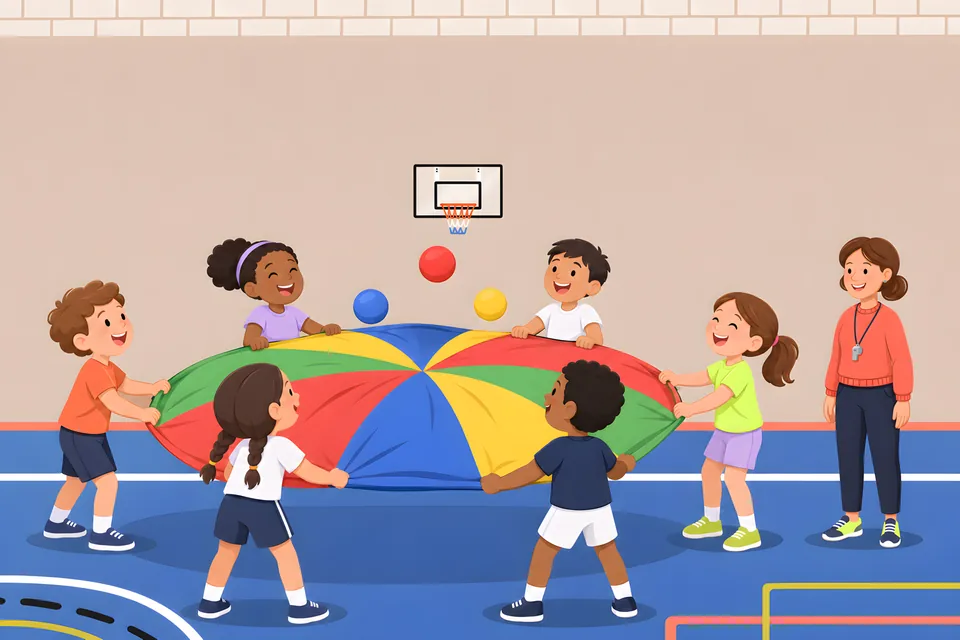
You inherited a half-empty gym closet, or you have one annual supply order to stretch across Grades K–12. Elementary specialists…
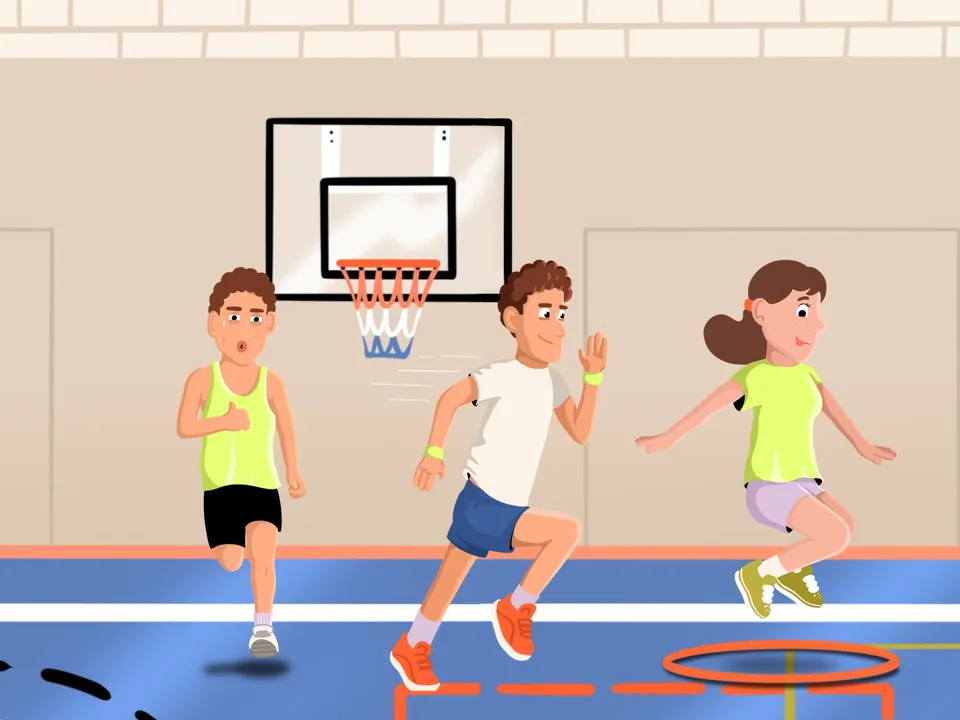
Worn-out balls, half a set of pinnies, one net for four classes: when the school budget does not stretch that far, these are the sources…
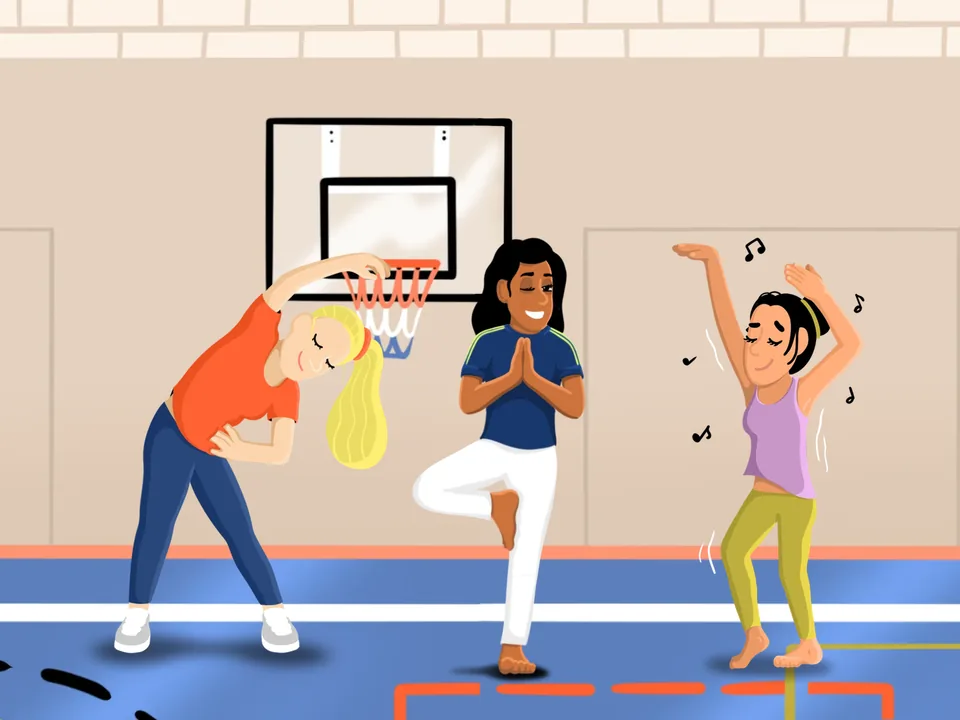
These games are for PE specialists and classroom teachers who need a K–5 activity with no gear to hand out.
The PhysEdPrep app for iOS & Android is a free download with 3 free units you can try without an account. Every plan covers Grades K–12 with 40+ unit plans, 240+ lessons, and 6 gym tools, and yearly plans start with a 7-day free trial (see current prices in the app).
App for iPhone, iPad and Android.