10 Indoor Recess Games for Snowy Days
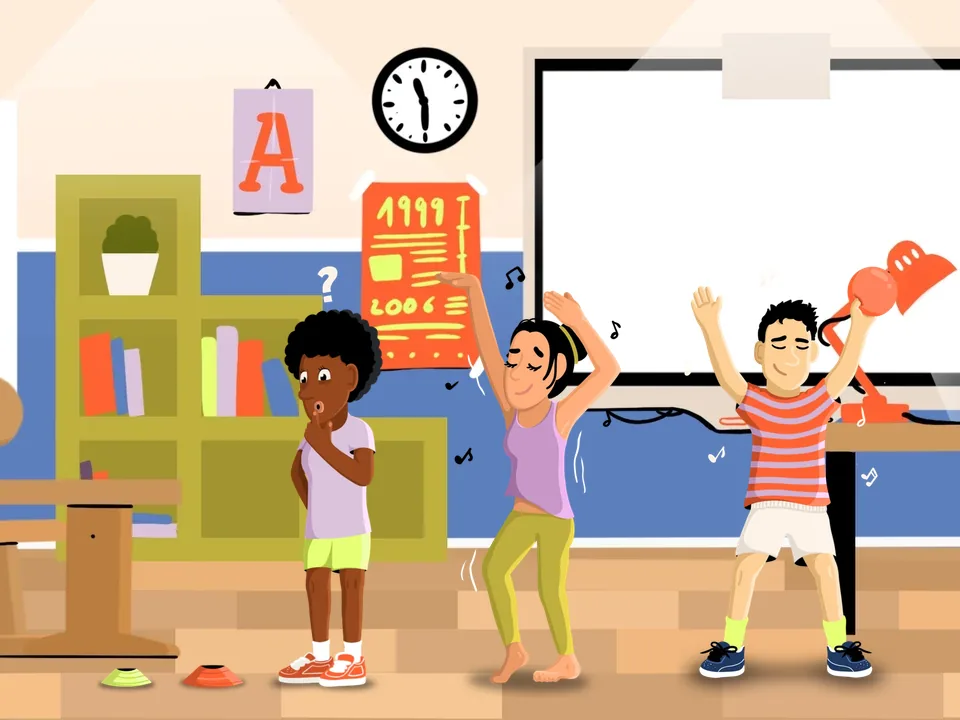
When ice, snow or cold keep the class off the playground, recess moves into a room full of desks.
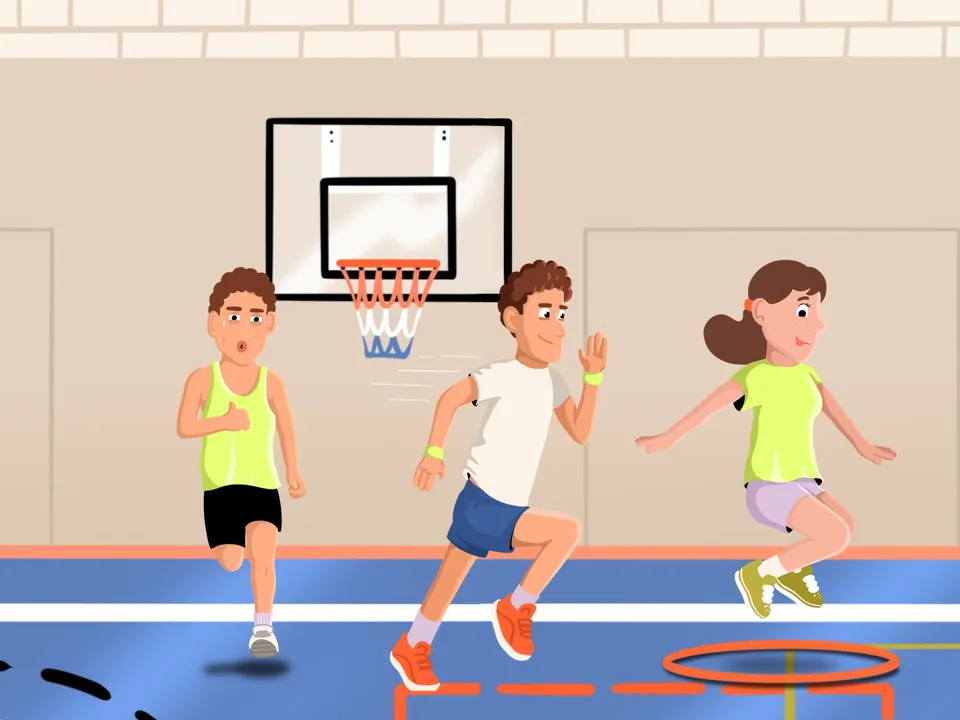
Ten PE obstacle course ideas cover Grades K–12 when you set up parallel lanes of 3 to 5 stations for 4 to 6 students per lane. Rounds run 2 to 4 minutes with cones, folding mats, stepping stones, hoops, and pool noodles, while an outside return lane keeps waiting lines short.
These courses fit a full gym, a shared half-gym, or a grass field. Elementary specialists, classroom teachers covering PE, and secondary coaches get gear lists by grade band, rules for each station, a lane diagram, a mistake table, and quick ways to adjust difficulty for mixed-ability classes.
Choose short indoor obstacle lanes with mats and spots for Grades K–5 motor skill lessons, paper plates and pool noodles for tight budgets, or longer grass loops for Grades 3–12 endurance. Every course below runs 2 to 4 minutes per round with 4 to 6 students per lane across 3 to 5 stations, plus an open outside return jog so lines keep moving.
Before placing gear, divide your gym or field into parallel lanes spaced at least 6 feet apart, setting a start cone on the baseline and a turn cone past the final obstacle. When two classes share the gym, keep the lanes along one side of the court and use the other side for station setups for PE class, so every group keeps a clear lane.
Groups score by laps in all 10 courses, and two of them add a bonus count for beanbags or hoop hits. A lap counts when a runner finishes every obstacle and is back at the start; a tag to whoever is first in line records it. In the Four-Corner Fitness Loop, each student counts full loops without a tag. A runner who skips or knocks over an obstacle fixes it before moving on, and each group keeps its own lap count until the whistle ends the round.
| Course | Grades | Space and Gear | Round |
|---|---|---|---|
| Tape and Stepping Stones | K–2 | Gym: tape, 6 stepping stones, beanbags, 1 bucket | 3 minutes |
| Mat Crawl and Hurdles | K–5 | Gym: 2 mats, 4 hurdles, 2 cones | 3 minutes |
| Cone Weave and Target Toss | 1–5 | Gym: 6 cones, 1 hoop, 3 foam balls, 1 bin | 3 minutes |
| Seated Scooter and Rope | 3–5 | Gym: 1 scooter, 5 cones, 1 rope | 4 minutes |
| Ladder and Med-Ball Carry | 6–12 | Gym: 1 ladder, 4 cones, 1 med ball | 4 minutes |
| Hoop Tunnel and Poly Spots | K–3 | Gym: 4 hoops, 4 holders, 5 spots | 3 minutes |
| Pool-Noodle Over-Under | K–5 | Gym: 6 noodles, 12 cones, 2 spots | 3 minutes |
| Paper-Plate Skate Loop | 2–6 | Gym: paper plates, 6 cones | 2 minutes |
| Field Sprint and Hurdles | 3–8 | Field: 6 cones, 4 hurdles, 1 baton | 4 minutes |
| Four-Corner Fitness Loop | 6–12 | Field: 8 cones, 4 ropes, 4 spots | 4 minutes |
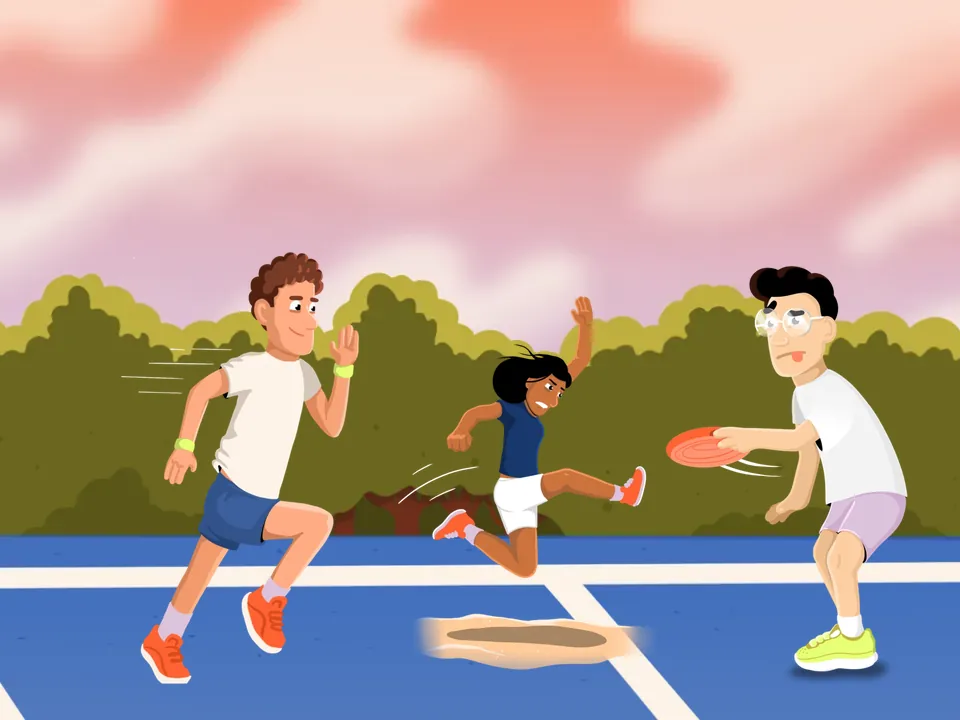
These five indoor obstacle courses practice crawling, balance, jumping, and throwing, the kind of motor skills covered by SHAPE America's 2024 National Physical Education Standards (S1–S4) for US K–12 PE. Start each class with a short locomotor warm-up such as skipping and galloping.
Grades K–2, 4 to 6 per lane, 3 minutes, with tape, 6 stepping stones, and beanbags. Carry one beanbag from the start, walk the tape line heel to toe, cross the 6 stepping stones, drop the beanbag in a bucket at the end, and jog back on the outside lane. A runner who steps off the tape or a stone redoes that obstacle. At the whistle, the group counts the beanbags in its bucket.
Grades K–5, 4 to 6 per lane, 3 minutes, with 2 mats, 4 hurdles, and 2 cones. Bear-crawl across both mats, hop over the 4 low hurdles with two-foot landings, run around the far cone, and tag the next runner to finish a lap. A runner who knocks a hurdle over stands it back up before moving on.
Grades 1–5, 4 to 6 per lane, 3 minutes, with 6 cones, 1 hoop, and 3 foam balls. Shuffle through the 6 cones, throw one foam ball underhand at the hoop standing against the wall, return the ball to the bin at the throw line, and jog back. A ball that lands in the hoop earns a point. Throws go only at the wall target, never toward another lane, and a miss is retrieved before the runner finishes the lap.
Grades 3–5, 4 to 6 per lane, 4 minutes, with 1 scooter, 5 cones, and 1 rope. Sit on the scooter board with hands on the handles (or flat on the board if it has none), weave around the 5 cones, park at the last one, jump rope 5 times, and roll back to tag the next runner. Riders stay seated with fingers clear of the board edges. With a second scooter, send the next rider once the first has parked, so fewer students wait. A missed jump does not count, so the runner keeps jumping until 5 clean jumps.
Grades 6–12, 4 to 6 per lane, 4 minutes, with 1 ladder, 4 cones, and 1 med ball. Run the ladder with both feet in every square, pick up the med ball waiting at the far end of the ladder, carry it around the last cone with two hands, set it back down at the ladder, and jog back on the outside lane. Use a ball light enough that every student in the lane can carry it comfortably (about 4 to 6 pounds is a starting point). A runner who misses a square redoes the ladder, and a rolling ball is stopped and put back before the next runner starts.
Cones, hoops, paper plates, and foam noodles build indoor and outdoor obstacle ideas on a tiny budget, and the same noodles work in pool noodle games for PE.
Grades K–3, 4 to 6 per lane, 3 minutes, with 4 hoops, 4 holders, and 5 spots. Crawl through the 4 upright hoops, hop across the 5 poly spots with two-foot landings, and jog back on the outside lane to tag the next runner. A runner who knocks a hoop out of its holder stands it back up before moving on.
Grades K–5, 4 to 6 per lane, 3 minutes, with 6 noodles, 12 cones, and 2 spots. Rest 3 noodles low across pairs of cones and bend the other 3 into arches, with each end fitted over a cone. Step over the 3 low noodles, crawl under the 3 arches, tap each of the 2 spots with a hand, and jog back to tag the next runner. A runner who knocks a noodle off its cones puts it back before moving on.
Grades 2–6, 4 to 6 per lane, 2 minutes, with paper plates and 6 cones on a dry floor. Stand with one foot on each plate and slide in small steps around the 6 cones, then hand the plates to the next runner at the start. Keep it at walking pace with arms free, use it only on a clean, dry floor that is not slick, and let anyone who feels unsteady step off onto the floor. A runner whose plate slips out replaces it and continues from that spot.
Grades 3–8, 4 to 6 per lane, 4 minutes on grass, with 6 cones, 4 hurdles, and 1 baton. Run over the 4 low hurdles, weave through the 6 cones, jog back on the outside lane, and hand the baton to the next runner at the line. Use collapsible hurdles on dry, even grass that you have walked for holes and debris. A runner who knocks a hurdle down or drops the baton fixes it before running on.
Grades 6–12, 4 to 6 per corner, 4 minutes on grass, with 8 cones, 4 ropes, and 4 spots. Each student jogs between the 4 corner cones and does one move at each corner: 10 rope jumps, 10 walking lunges, a 10-step bear crawl, or a 10-step shuffle. A missed rope jump does not count, so the runner keeps jumping until 10 clean jumps. If all 4 ropes are in use, do 10 jumps in place. A lap is all four corners.
Split a class of 24 to 30 into 5 parallel lanes of 4 to 6 runners instead of one long line (4 lanes handle up to 24 students). Short lines keep more of the period active, which helps toward SHAPE America's 50 percent MVPA recommendation for PE class time.
The same lane setup scales up for events: see the end-of-year PE tournament week ideas and the guide to planning a school family fitness night.
Walk every lane yourself before the first student starts, checking floor traction, mat seams, 6-foot wall clearance, and clear teacher sightlines from the gym perimeter. Stand on the outside edge of the lanes rather than between stations so you supervise all groups at once, keep group sizes at 4 to 6 students per lane, and require flat indoor sneakers on dry hardwood or tile. Outdoors, walk the grass first for holes, wet patches, and debris, and keep the course well away from roads and parking lots.
| Mistake | Cause | Fix |
|---|---|---|
| Collisions near the finish | Runners cut back through active stations | Mark a cone-protected outside return lane |
| Long wait lines | One slow skill bottleneck mid-course | Split slow tasks like rope jumps onto two side spots |
| Sliding poly spots or plates | Dusty gym floor under jumping stations | Sweep the lane first and use rubber spots for jumps |
| Bunched runners on mats | Next student leaves on a timer instead of space | Release the next runner only when the mat is clear |
Adjust obstacle width, target distance, or movement pattern inside each lane so mixed-ability classes and students using mobility devices participate together without rebuilding stations. Crawls can count as muscle-strengthening activity and two-foot landings as bone-strengthening activity, which the Physical Activity Guidelines for Americans, 2nd edition recommend on at least three days a week, within the 60 minutes or more of daily activity advised for ages 6 through 17.
A 4-lane gym obstacle course takes about 3 to 5 minutes to set up when you store each lane's cones, spots, and foam balls in its own tote bin. With back-to-back classes, lay down floor tape before first bell and have the last group stack cones at start.
Yes, a half-gym fits 3 parallel lanes of 3 stations when you run lanes crosswise from sideline to sideline and leave at least 6 feet from walls and from the curtain or center line. At 4 to 6 students per lane, that serves 12 to 18 students, so larger classes rotate the rest through a skill station. Swap long sprints and thrown balls for bear crawls, balance paths, and spot hops.
Assess 1 or 2 skills at a single checkpoint station instead of scoring the entire course. Stand outside one obstacle, such as the hurdle landing or wall-hoop throw, with a 3-level rubric on a clipboard; in a 3-minute round, each student passes you several times.
Yes, floor lines and body movements are enough for a 3 to 5 station lane. Use existing court lines for heel-to-toe walking, line hops, a short bear crawl on a clean floor, a sideways shuffle, and a balance hold. Keep 6 feet between lanes and end each lap with a jog back on the outside.
Jungle trek, ninja course, space mission, and winter expedition all work by renaming 3 to 5 obstacles while the rules stay the same. In a jungle trek, stepping stones become river rocks and noodle arches become vines. Keep decorations off the running path and out of landing areas.
When ice, snow or cold keep the class off the playground, recess moves into a room full of desks.
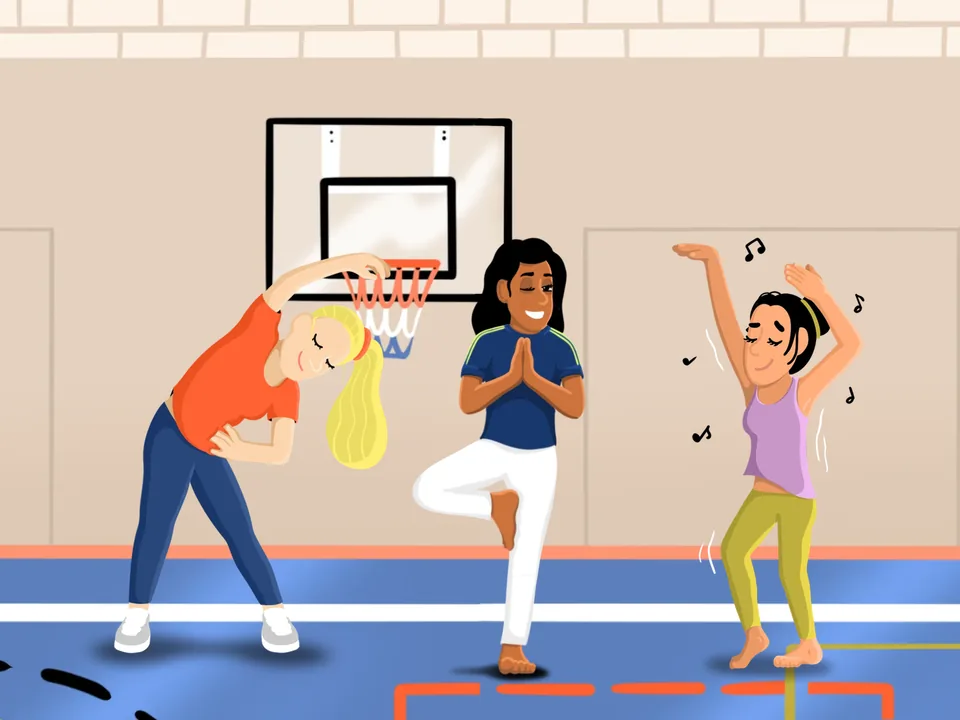
Elementary and secondary PE teachers, classroom teachers, and PTO coordinators can hold the event in one school gym or multipurpose room.
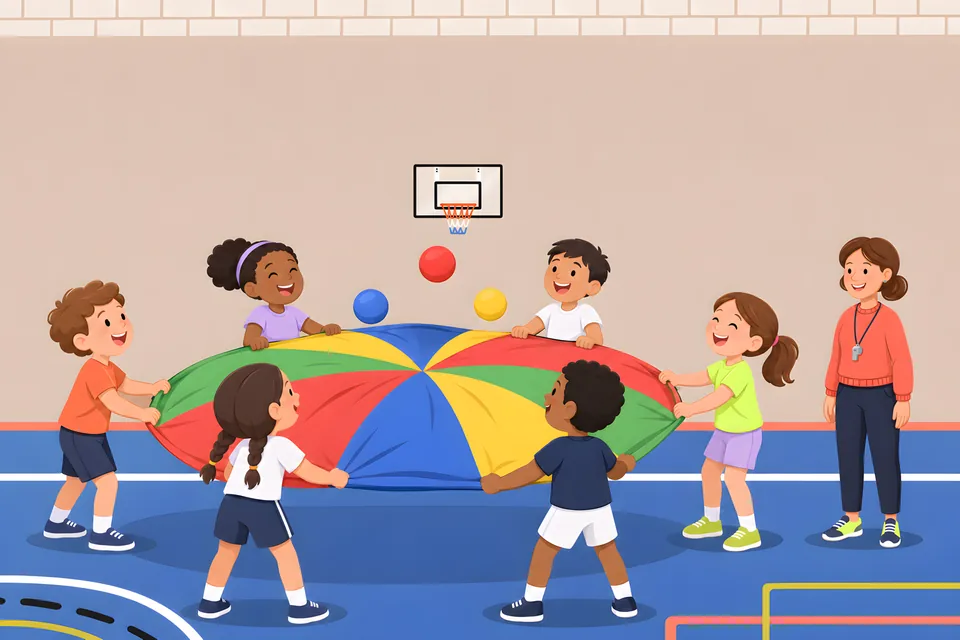
PE stations split a class into small groups that rotate through different tasks, so more students handle equipment and fewer stand in line.
This list is for PE specialists and classroom teachers who want pool noodle activities for kids that cost little.
Download the free PhysEdPrep app for iOS and Android to open 3 free units without an account, or start a 7-day free trial on a yearly or 12-month plan covering all grades K–12. Memberships are bought in the app, where you can see current prices.
App for iPhone, iPad and Android.