Games & warm-ups
St. Patrick's Day Classroom Brain Breaks
Elementary classroom teachers and PE specialists covering indoor classes on March 17 often face restless energy around holiday crafts and…
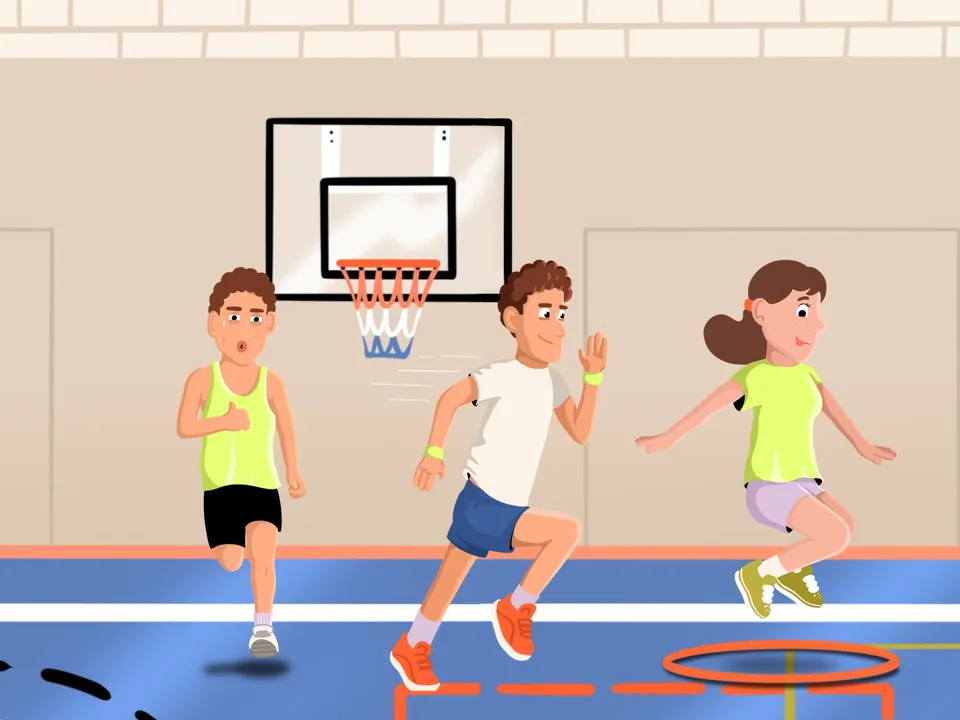
These 10 St. Patrick's Day gym games each run about 4 to 15 minutes and use gear most gyms already own: pinnies, cones, bean bags, hoops and floor spots. Three are tag or roaming games, three are relays or hunts, and four are a K–2 opener, a station rotation and two games for Grades 6–12. None eliminates players, and each restarts quickly for another round.
For PE teachers who want a themed game for March 17 that still gets heart rates up. Every game has its rules written out, including what happens after a tag or a miss. The last section covers green-clothes rules, pinching and the setup mistakes that slow themed days down.
Pick by grade band, floor space and minutes.
| Game | Grades | Players | Space | About |
|---|---|---|---|---|
| Leprechaun Tag | K–5 | 12–30 | gym or field | 6–8 min |
| Gold Rush Tag | 2–8 | 16–30 | gym | 8–10 min |
| Coin to Pot of Gold | 3–12 | 12 or more | gym or field | 5–8 min |
| Rainbow Color Relay | 1–5 | teams of 4–6 | gym | 8–10 min |
| Pot of Gold Relay | 2–6 | teams of 4–5 | gym or field | 6–8 min |
| Gold Coin Hunt | K–8 | teams of 3–4 | gym | 6–8 min |
| Leprechaun Says | K–2 | whole class | any open space | 4–6 min |
| Rainbow Stations | 1–8 | 18–24 in six groups | gym | 12–15 min |
| Rainbow Rally | 6–12 | pairs | net or rope line | 8–12 min |
| Lucky Spots Shooting | 6–12 | groups of 3–4 | one basket per group | 8–10 min |
Set a Countdown Timer so rounds end on a signal: the PhysEdPrep app offers quick picks for 1, 3, 5, 10 or 15 minutes with a whistle at the end. Its Team Creator builds random or skill-balanced teams from your saved class rosters.
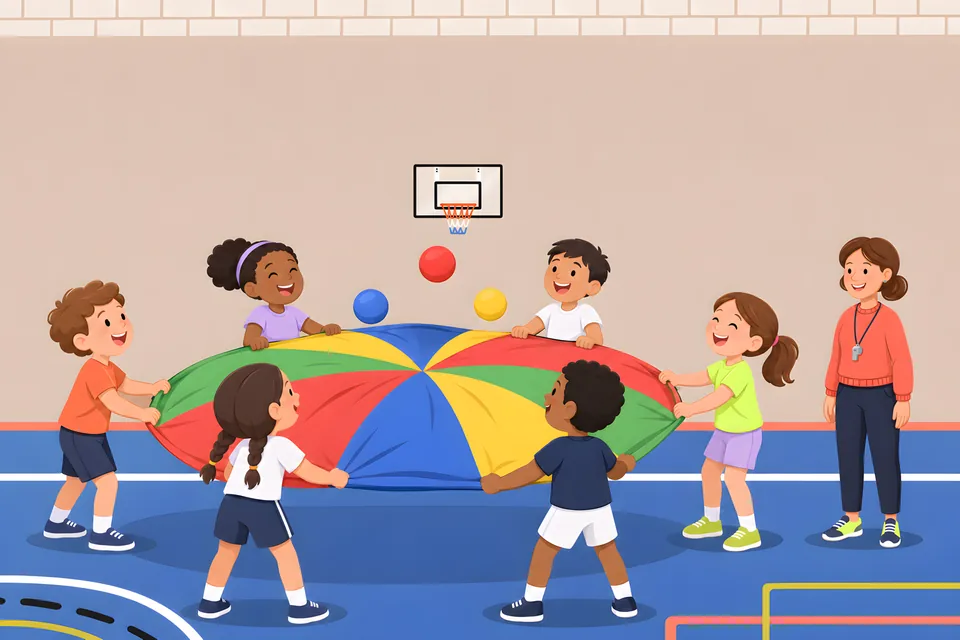
Two tag games and one roaming rock-paper-scissors game cover Grades K–12, and none sends a player to the sideline for long. More chase formats are in tag games for PE.
Grades K–5 · 12–30 players · about 6–8 minutes · green pinnies, boundary cones
Give a green pinnie to one leprechaun for about every eight players; everyone else scatters inside the cones. A leprechaun tags with a light touch on the shoulder or back. The tagged player freezes in a wide stance with arms arched like a rainbow until a free player gives a high five. After about two minutes, whistle, pass the pinnies on and restart. Speed-walk if space is tight.
Grades 2–8 · 16–30 players · about 8–10 minutes · 20 or more gold bean bags, 2 hoops, pinnies, cones
Cone off a center zone and scatter the coins inside. Two teams each have a hoop pot on opposite sidelines, and four leprechauns in green pinnies guard the zone, tagging only inside it. Inside the zone, everyone walks or jogs with heads up, and a tag is a light touch on the shoulder or back. Players take one coin at a time and place it in their pot, no throwing. A tagged player sets the coin down and walks back to their sideline before re-entering. After about three minutes the team with more coins wins; swap leprechauns and refill the zone.
Grades 3–12 · 12 or more players · about 5–8 minutes · no gear
Everyone starts as a coin and shuffles in small steps. Two coins meet and play one round of rock-paper-scissors; the winner becomes a leprechaun who skips, and the loser stays a coin and finds a new opponent. Leprechauns only challenge leprechauns. A leprechaun who wins becomes a pot of gold, walking with arms curved overhead, and pots only challenge pots. Above coin level, whoever loses drops one level; ties are replayed. At the whistle, count the pots, then everyone resets to coin.
Three team games use bean bags as gold coins, and teams of 3 to 6 keep the lines short. More gear ideas are in bean bag games for PE.
Grades 1–5 · teams of 4–6 · about 8–10 minutes · 6 colored spots per lane, 1 hoop per team, 1 bean bag per runner
Each team lines up at a start line facing a lane of six spots in rainbow order, red to purple, one step apart. A runner carries a coin, steps on every spot in order, drops the coin in the hoop at the lane's end, and jogs back along the side to tag the next runner. A skipped spot means restarting the lane. The first team with every coin in the hoop wins; reshuffle teams for the next round.
Grades 2–6 · teams of 4–5 · about 6–8 minutes · 2 hoops and 10 bean bags per team
Put a mine hoop holding 10 coins opposite each team's start line, and an empty pot hoop at the line. Runners move one coin per trip using the movement you call for the round: skip, gallop or side slide. They place the coin in the pot and tag the next runner. A dropped coin is picked up where it fell. The first team to move all 10 wins; refill the mine and call a new movement.
Grades K–8 · teams of 3–4 · about 6–8 minutes · 30 foam discs or bean bags, 1 hoop per team
Scatter the 30 coins flat across the floor in the open, never under or behind equipment. Teams wait at their hoop. On the whistle, all teammates hunt at once, carrying one coin at a time with the movement you call and placing it in the team hoop. No diving or sliding for coins. After about 90 seconds, teams count their coins and set a goal to beat their own total. Re-scatter and change the movement.
Leprechaun Says suits Grades K–2 as a calm opener, and Rainbow Stations puts a class into six groups. For more rotation ideas, see station setups for PE.
Grades K–2 · whole class · about 4–6 minutes · floor spots optional
Players stand scattered with arm's length around them. You are the leprechaun and call movements such as "Leprechaun says gallop in place" or "Leprechaun says wave a rainbow." Players move only on commands that start with "Leprechaun says"; if a command comes without it, everyone freezes. A player who moves anyway takes one step back and rejoins on the next command, so nobody sits out. Hand the leprechaun role to a student every few commands.
Grades 1–8 · 18–24 players in six groups · about 12–15 minutes · 6 colored spots, bean bags, hoops, cones, jump ropes, a soft ball
Mark six stations in rainbow order. Red: toss bean bags into a hoop. Orange: weave through cones. Yellow: hop from hoop to hoop. Green: walk a floor line with a bean bag balanced on the back of one hand. Blue: jump rope, with each jumper at least a rope's length from the next. Purple: underhand toss with a partner and a soft ball. Rotate in rainbow order on the whistle after about two minutes, so every group visits all six stations once. Groups count successes as coins and share totals at the end; there is no winner.
Rainbow Rally and Lucky Spots Shooting add a themed twist to skills older students already practice. For a bigger game, swap the flags in capture the flag for gold bean bags and the flag zones for hoop pots; more shooting ideas are in basketball games for PE.
Grades 6–12 · pairs · about 8–12 minutes · paddles or racquets with a light ball or shuttle, or volleyballs; a net or rope line
Space pairs so swinging racquets cannot touch. Partners stand on opposite sides of a net or rope and rally together, calling one rainbow color per hit: red, orange, yellow, green, blue, indigo, violet. Seven clean hits in a row earn one pot of gold. A ball that lands, or a missed hit, sends the pair back to red. Play for about three minutes, record the pots, then rotate to a new partner. Because the rally is cooperative, pairs of different skill levels can still score together.
Grades 6–12 · groups of 3–4 per basket · about 8–10 minutes · 1 ball and 5 floor spots per basket, 5 bean bags per group
Mark five green spots in an arc at each basket. Shooters take one shot per turn from the group's current spot. One group member rebounds and passes to the next shooter, then the roles rotate. A made shot earns a coin and moves the group to the next spot; a miss keeps it on the same spot. The first group with five coins wins the round, and all groups restart at spot one. One ball per basket keeps the court clear.
Choose games with no elimination, short lines and a clear start and stop signal. The federal Physical Activity Guidelines for Americans call for 60 minutes or more of moderate-to-vigorous activity daily for ages 6–17, and games that keep the whole class moving count toward that total. SHAPE America recommends moderate-to-vigorous activity for 50 percent of PE class time and considers traditional elimination dodgeball (hitting players out with a ball) inappropriate for K–12 PE, per its dodgeball position statement.
| Mistake | Cause | Fix |
|---|---|---|
| Long lines in relays | Teams larger than 6 | Cap teams at 4–6 or run two lanes per team |
| Frozen players stand for minutes | Too few rescuers, leprechauns never change | Swap leprechauns about every two minutes; free with a high five |
| Slips on loose coins or spots | Coins in running lanes, spots that slide on a slick floor | Use foam discs or bean bags, tape spots down, keep lanes clear, sweep between rounds |
| A student is left without a team | Teams picked by clothing or friends | Count off by rainbow color or use random groups |
Tag, relays, station circuits, capture the flag, parachute games and cooperative challenges are the staples of PE class. Most need only pinnies, cones, bean bags or hoops. The Fun Games for Every Grade, K–12 guide sorts them by age group, and the games above are St. Patrick's Day versions of the same formats.
In the gym, try tag, relays, a coin hunt or rainbow stations, as laid out above. In a classroom with no room to run, short leprechaun or rainbow movement breaks fit between lessons; the St. Patrick's Day classroom brain breaks guide has ideas. Pick activities where nobody is eliminated and every student moves.
Orange is the color most often named, because of its history in Ireland. The orange stripe on the Irish flag stands for Ireland's Protestant tradition, so in Ireland and Northern Ireland wearing orange can read as a political or religious statement. In a US gym it rarely causes trouble, and orange is a normal rainbow color in these games. Never require green or pinch students for not wearing it.
Coin to Pot of Gold works for a staff meeting: it needs no gear, 12 or more people and about 5 to 8 minutes. Everyone starts as a coin and plays rock-paper-scissors up to leprechaun and pot of gold. In a crowded room, have everyone walk instead of skip and clear chairs from the middle first.
Change one variable at a time: the movement (walk, gallop or skip), the distance, or the scoring (a team goal instead of a race). Pair students in Rainbow Rally so partners cooperate, and let students pick the challenge level at each station. Individual accommodations follow each student's IEP or 504 plan.
Any flat, soft object in yellow or gold works: yellow bean bags, foam discs, yellow poly spots or deck rings. Avoid paper, plastic coins and small balls, because they slide or roll underfoot on a gym floor. For a group of 30, plan on about 20 to 30 coins so every team can find some quickly.
Yes, Leprechaun Tag, Coin to Pot of Gold and Pot of Gold Relay work on a flat, dry field marked with cones. Check the grass for holes and wet patches first, and use bean bags instead of floor spots, since spots can blow away. Leave the stations, Lucky Spots Shooting and Rainbow Rally indoors unless you have outdoor baskets and nets.
Elementary classroom teachers and PE specialists covering indoor classes on March 17 often face restless energy around holiday crafts and…
Elementary PE teachers, classroom teachers without a PE background, middle school coaches, and substitutes can run these tag games for…
PE stations split a class into small groups that rotate through different tasks, so more students handle equipment and fewer stand in line.
Each game comes with grades, group size, hoop count and a full rule set, followed by safety rules, fixes for common problems and ways to…
In the PhysEdPrep app for iOS & Android, you can drag lessons into your week and add your own lessons, such as a St. Patrick's Day game. Start with 3 free units without an account; yearly and 12-month plans start with a 7-day free trial, and you can see current prices in the app.
App for iPhone, iPad and Android.