12 Classroom Movement Breaks, K–12
These ideas for movement breaks in the classroom suit teachers with a room full of desks and few spare minutes.
Movement breaks matter because a short pause, about 3 to 5 minutes, can help students get back on task. The research is stronger for classroom behavior than for test scores, comes largely from younger children and favors lively bouts of 5 minutes or more. Three brisk breaks also add 9 to 15 minutes toward the 60 daily minutes of moderate-to-vigorous activity recommended for ages 6 through 17.
Classroom teachers with long seated blocks and PE specialists who help colleagues add activity often have to explain why students should leave their seats. A good answer covers what behavior research found and where it stops, how often each grade band might pause, how break minutes add up and how to test the routine in your own room.
Movement matters for the student brain because a single session of moderate-to-vigorous activity can improve some aspects of cognitive function that same day, according to the federal physical activity guidelines. The guidelines also list improved cognition as a benefit for ages 6 to 13. Results from classroom programs on cognitive tests are less consistent.
Choose moves for the effort you want. Brisk marching beside the desk usually counts as moderate effort when students breathe harder and can still talk but not sing. Slow calf raises, palm pushes and cross-body reaches are lighter options for a controlled reset.
Match the break to the mood in the room. Try brisk marching for a sleepy first period, and slow stretches with four-count breathing for a loud group after lunch or testing. When noise is already high, calm brain breaks for classrooms can help students settle before pencils come back out.
Classroom research shows the clearest benefit for behavior: students tend to be more on task after activity. A 2017 meta-analysis of classroom physical activity in primary schools found a positive effect on on-task and off-task behavior but no significant effect on cognitive functions. Its authors cautioned that the studies varied too much for definitive conclusions.
Effort and length matter. A 2018 systematic review of movement breaks and physically active lessons reported better classroom behavior in 9 of 11 interventions, after moderate-to-vigorous bouts longer than 10 minutes or shorter, more intense bouts of 5 minutes. It found no support yet for gains in cognition or academic performance, and low-to-medium quality studies predominated. A gentle 3-minute stretch has less evidence behind it, so treat it as a practical reset.
A scheduled break gives restless students, including some with ADHD, a planned chance to move. For routines built around attention and sensory needs, see classroom movement breaks for ADHD and sensory movement breaks for school. Use the same cue each time and keep visuals simple so the routine stays predictable.
Three classroom breaks can put 9 to 15 minutes toward the daily activity target, as much as a quarter of it, if students spend each full 3 to 5 minute break at moderate-to-vigorous effort. According to the HHS Physical Activity Guidelines for Americans (2nd edition), children and adolescents ages 6 through 17 should do 60 minutes or more of moderate-to-vigorous physical activity daily, including muscle- and bone-strengthening activity on at least three days a week. Slow stretches, quiet breathing and transition time don't count toward the moderate-to-vigorous minutes.
Gym class alone can leave a large gap. Take a school with a 40-minute PE class twice a week. If the class is on target for reaching 50% MVPA in PE class, students log about 20 active gym minutes on those two days and no gym minutes on the other three.
On a day without PE, suppose a 20-minute recess gives one student about 10 minutes of brisk play. Three lively breaks of 3 to 5 minutes add 9 to 15 minutes, so that student reaches about 19 to 25 active minutes at school. The rest of the 60 has to come from time before school, after school or at home.
Plan a movement break after about 15 to 35 minutes of seated work, sooner for younger students or whenever attention drops. These intervals are rules of thumb, so adjust them to what you see. Spacing 3 to 5 minute breaks across a long block lets you step in well before afternoon recess or seventh-period PE.
| Grade Band | Seated Work Before a Break | Break Duration | Sample Moves |
|---|---|---|---|
| Grades K–2 | About 15 to 20 minutes | 3 to 5 minutes | Rhythmic marching in place and single-leg balance holds |
| Grades 3–5 | About 20 to 30 minutes | 3 to 5 minutes | Cross-body knee taps and partner mirror movements |
| Grades 6–12 | About 25 to 35 minutes | 3 to 5 minutes | Standing posture stretches and desk-side calf raises |
Before any desk-side routine, check that the floor is dry and flat, chairs are pushed in and backpacks sit underneath. Supervise the whole break, keep moves in place with about 3 feet of clearance and let students steady a single-leg balance with a hand on a wall or sturdy desk. Offer seated upper-body options to students with mobility needs. You can adapt moves from 12 classroom movement breaks for Grades K–12.
Keep each break to 3 to 5 minutes, end it calmly and give students room, then show your principal a simple before-and-after tally. Check your routine for these three problems:
| Mistake | Why It Happens | Classroom Fix |
|---|---|---|
| Breaks run past 5 minutes | Searching for videos mid-class without a timer | Pick one weekly routine and run a 3 to 5 minute countdown |
| Class stays loud afterward | Ending on fast jumping with no cool-down | Use the final 30 seconds for slow nasal breathing at desks |
| Students bump desks or opt out | Crowded aisles or awkward group dances | Keep moves in place with about 3 feet of clearance and allow seated stretches |
If an administrator worries about lost instructional time, run a two-week pilot and collect your own numbers:
Classroom movement breaks complement scheduled physical education and outdoor recess, since a 3 to 5 minute desk-side pause serves a different purpose than gym instruction or unstructured play. PE builds motor skills and movement knowledge through planned lessons that progress over weeks, so desk breaks shouldn't cut into those minutes. If PE time comes under pressure, point your team to the benefits of physical education in schools.
Protecting access to movement also matters during behavior management. According to SHAPE America's 2021 position statement on physical activity and behavior management, using exercise as punishment or withholding PE or recess as a consequence is inappropriate practice. Apply the same thinking to classroom breaks: don't take a student's break away because seatwork is unfinished. If a student's written support plan, such as an IEP or a 504 plan, includes movement breaks, provide them as the plan describes.
The 10-10 rule is a school hall pass policy that generally bars passes during the first and last 10 minutes of a class period, though exceptions and time windows vary by school. A desk-side movement break fits alongside it: schedule 3 to 5 minutes near the middle of the period, so the opening and closing minutes stay on instruction.
They may, but most classroom movement-break research involves elementary students, so there is less to go on for teens. Start with the 25 to 35 minute interval for Grades 6–12, offer low-key standing stretches or calf raises, and tally redirections for two weeks to see whether your own class benefits.
Offer a quiet low-stimulation choice at the student's desk, such as seated shoulder rolls or slow four-count breathing, instead of forcing whole-group jumping. Some students prefer a still hold, such as pressing their palms together. Keeping the choice low-pressure lowers the risk of a power struggle before work resumes.
Place them where your class usually loses focus, for example partway through a long morning block after about 15 to 35 seated minutes (depending on grade), or in the early afternoon if energy dips after lunch. Use the same closing cue each time so students know when to reopen their notebooks.
These ideas for movement breaks in the classroom suit teachers with a room full of desks and few spare minutes.
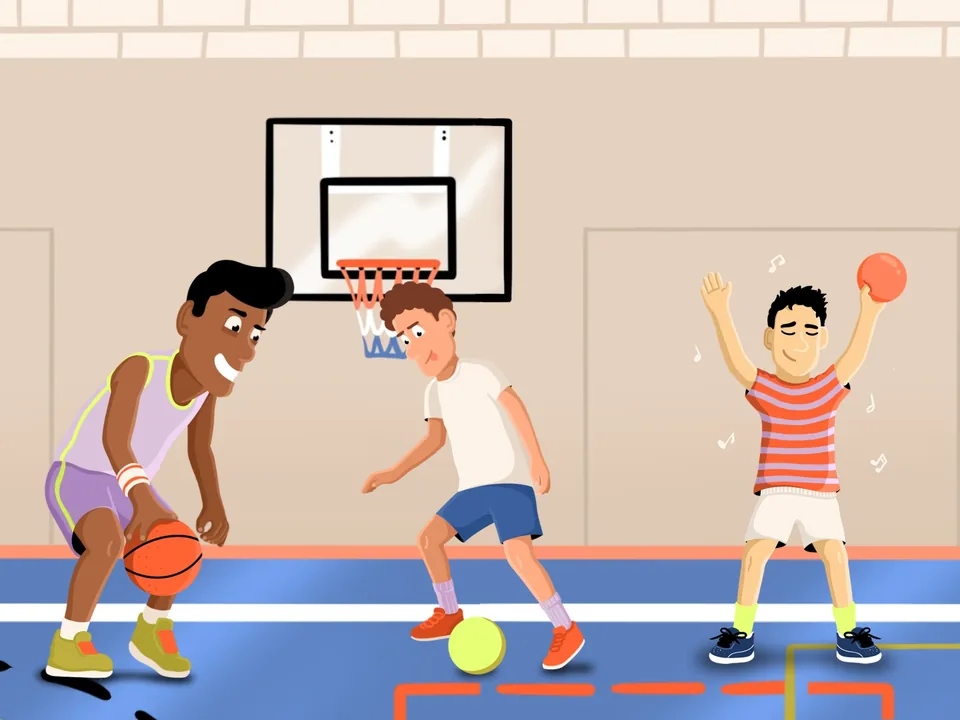
Below are setup steps for each break, a classroom floor layout, IEP and 504 pointers, and a 4-step return-to-work routine.
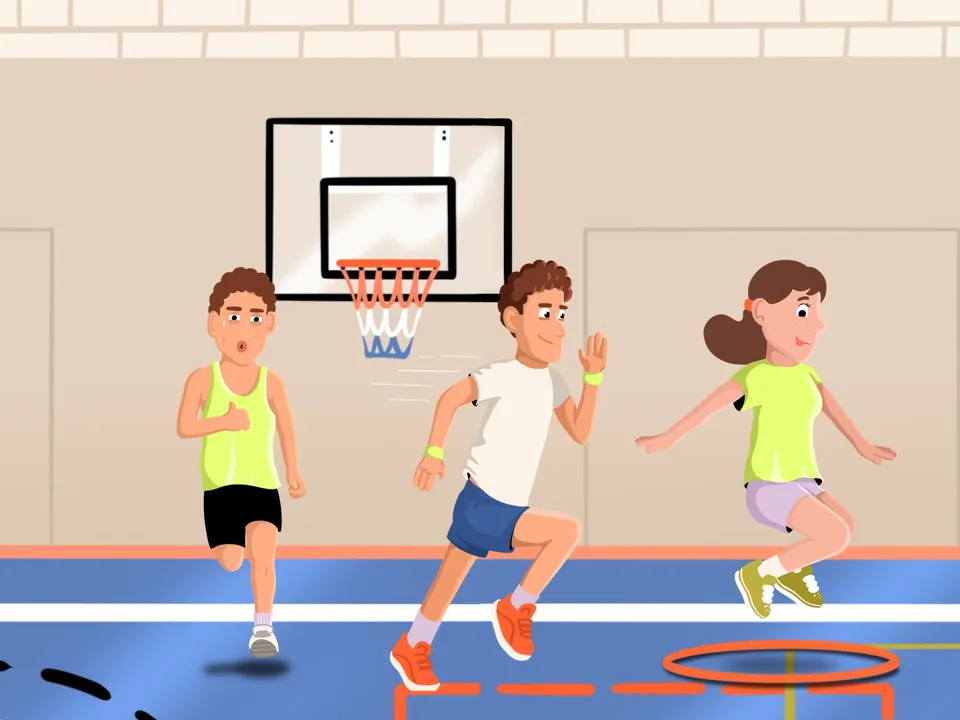
A good brain break needs a clear stop signal, a bubble of space for each child, and a game students can learn fast.
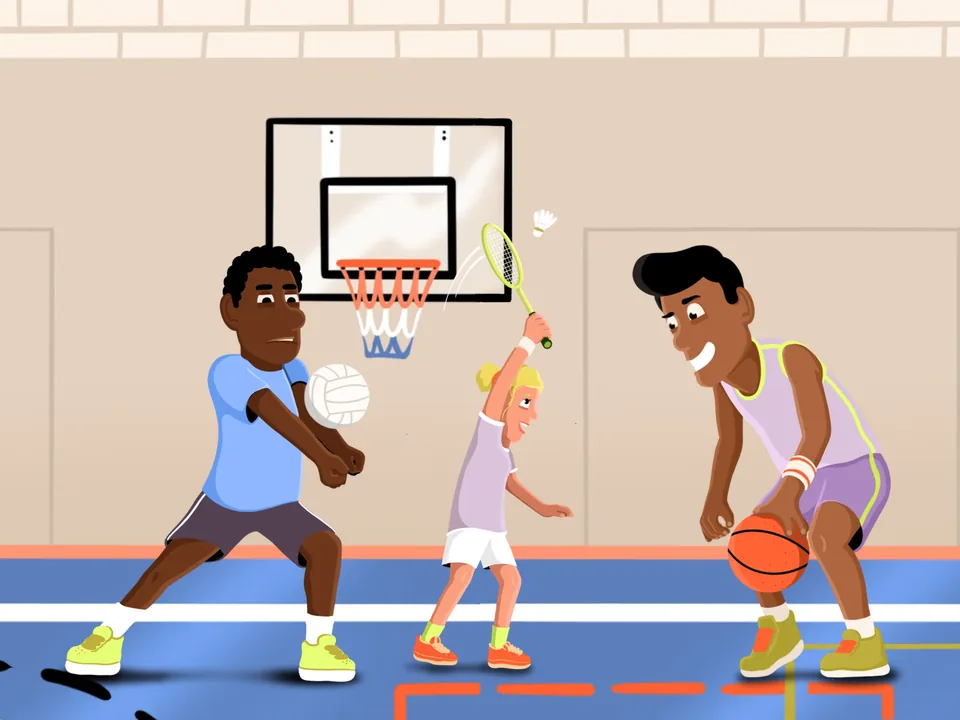
When students return from outdoor recess or a loud hallway transition with racing voices, jumping straight into a lesson rarely works.
Download the free PhysEdPrep app for iOS and Android and tap "Try 3 Sample PE Units Free" on the login screen to try the 13 Classroom Brain Breaks without an account. See current prices in the app, including the yearly plan with its 7-day free trial, or email support@physedprep.com for a custom School & District License quote.
App for iPhone, iPad and Android.